- Is this guide for me if my bird won’t stop scratching or seems stuck in a molt?
- Why does my bird get so itchy during a molt?
- How do I know if this is normal molting or something going wrong?
- What actually causes birds to be uncomfortable during molt?
- Is this mites, stress, or something else I should worry about?
- What actually helps an itchy, molting bird feel better?
- Are all bird sprays safe — and how do I use them without harming my bird?
- How can I tell if what I’m doing is actually helping?
Is this guide for me if my bird won’t stop scratching or seems stuck in a molt?
Does Your Bird Seem Extra Itchy or Uncomfortable Right Now?
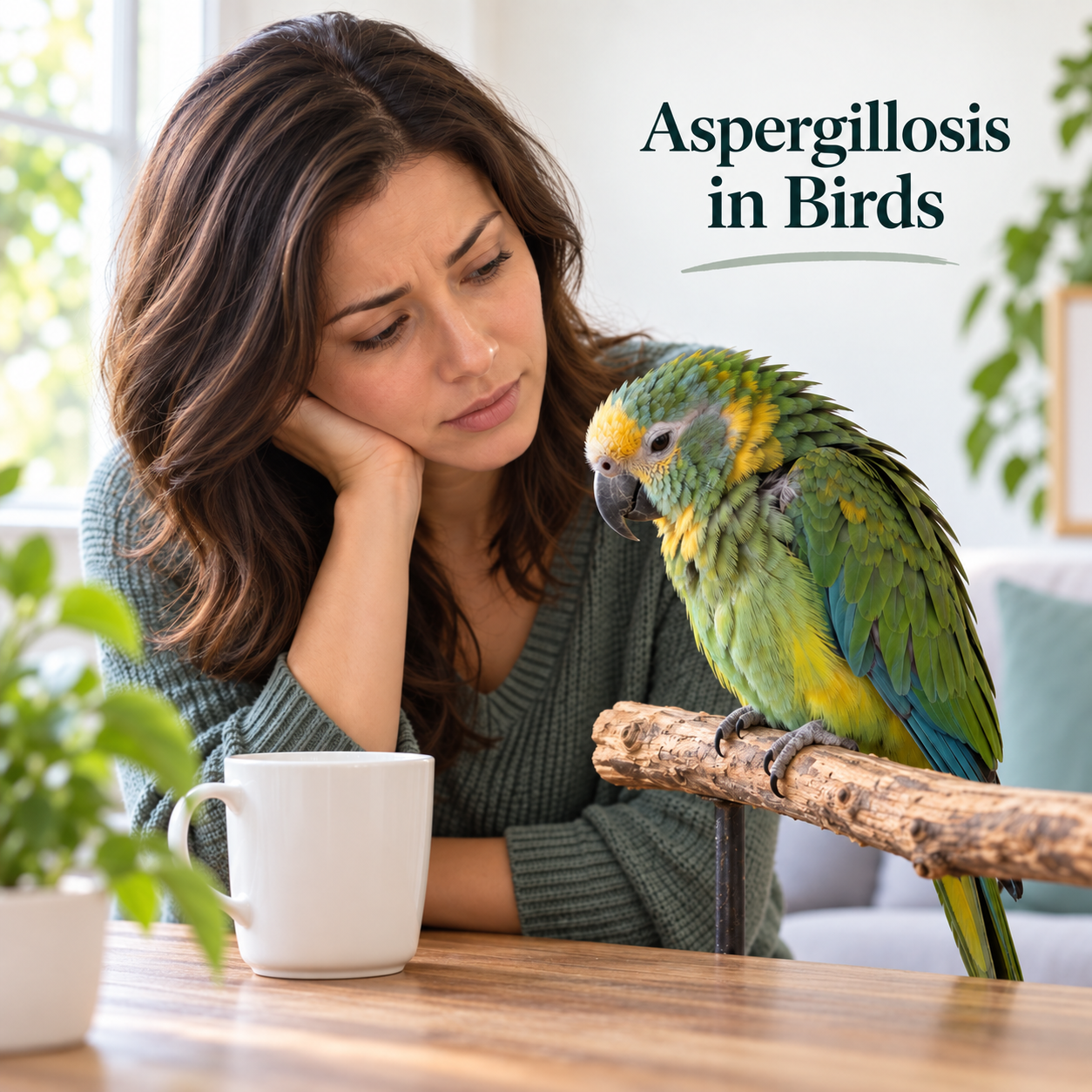
If you’ve been watching your bird scratch more than usual, dig at their feathers constantly, or act irritated when you touch pin feathers, you’re not alone — this is one of the most common concerns bird owners post about during molting season.
Many owners describe it as “my bird just seems annoyed all the time” or “they’re molting, but it feels different this time.” Feathers may look dull, brittle, or broken and full of stress bars, and some birds become sensitive to handling or suddenly avoid being touched around the neck, wings, or back.
This guide is for you if your bird is still eating, active, and alert — but clearly uncomfortable — and you’re trying to figure out what’s normal molting versus something that needs extra support.
Bird Owners Most Often Ask About When Molting Gets Weird
One of the most common questions bird owners ask when a molt doesn’t feel “normal” is: “Why is my bird molting and itching so much?” Closely followed by, “Why do pin feathers seem painful?” and “Why does my bird look worse halfway through a molt instead of better?”
What many people don’t realize is that molting is one of the most nutritionally and physically demanding phases of a bird’s life. Feather growth pulls heavily from protein, essential fatty acids, and vitamin A — and if any of those are lacking, skin can become dry, inflamed, and hypersensitive.
Add dry indoor air, infrequent bathing, or well-meaning products that aren’t truly bird-safe, and a normal molt can turn into weeks of visible discomfort. This is why so many owners feel like the molt is “never ending.”
When This Is More Than a Blog Can Help With
This guide is not meant for emergencies or serious medical conditions. If your bird has open wounds, bleeding skin, bald patches, lethargy, appetite loss, or rapid feather destruction, those are not normal molting signs and should be evaluated by an avian veterinarian.
Likewise, sudden extreme itching, crusting around the beak, nares or feet, or behavioral changes like aggression or depression can indicate infection, parasites, or systemic illness — not just dry skin. Make a vet appointment.
Think of this post as support for the gray area most owners find themselves in: your bird isn’t critically ill, but they’re clearly uncomfortable, and you want to help them through molting safely, gently, and in ways that actually work.
Why does my bird get so itchy during a molt?
What You’re Probably Noticing First
Scratch, fluff, shake, repeat. Maybe a feather sheath here, a tiny dry patch there. It looks annoying, maybe a little dramatic—but honestly? That’s just your bird waving a neon sign that says, “Hey, this is hard work!”
Molting isn’t just a cosmetic thing. Those feathers are growing from scratch, and the process is demanding every ounce of your bird’s energy and nutrients. What seems like “just scratching” is actually a full-body workout for their growing feathers—and trust me, it’s exhausting.
What Your Bird Is Actually Feeling
Inside, your bird is running a marathon. Molting taps deep into protein stores, vitamins, and minerals. Their skin is sensitive, the pin feathers hurt, and every scratch is a tiny attempt to manage that discomfort. It’s not drama—it’s physiology.
And if they’re picky about food on top of that? That’s a big problem. Because every feather, every new growth, every bit of skin regeneration depends on the nutrition they’re actually eating.
Why Most Owners Miss the Warning Signs Until It’s Too Late
Here’s the kicker: most birds aren’t born knowing what’s safe to eat. In the wild, mom and dad spend hours teaching their chicks which fruits, nuts, and seeds are edible—and which ones are poison. In captivity? Breeders and owners often skip that step. Or they just don’t know how to do it properly. So your bird sticks to a tiny handful of “safe” foods, never learning the rest.
Ignoring this isn’t harmless. It’s like letting a child run into the street because they never learned which roads are dangerous. You must spend time teaching your bird what to eat. Not tomorrow. Not “sometime soon.” Now. Step by step, with patience, repetition, and knowledge. Yes, it takes work—but you can do it, and your bird will thank you with a healthier molt, better feathers, and fewer health surprises.
For a full, practical guide to safely and confidently expand your bird’s diet check out my book. It’s the roadmap most owners never had, but every parrot deserves.
How do I know if this is normal molting or something going wrong?
Signs This Is Still Mild (and Fixable)
If your bird is just scratching a little more than usual, has scraggly looking feathers here and there, and staying generally perky? Good news: you’re likely in the “mild and manageable” zone.
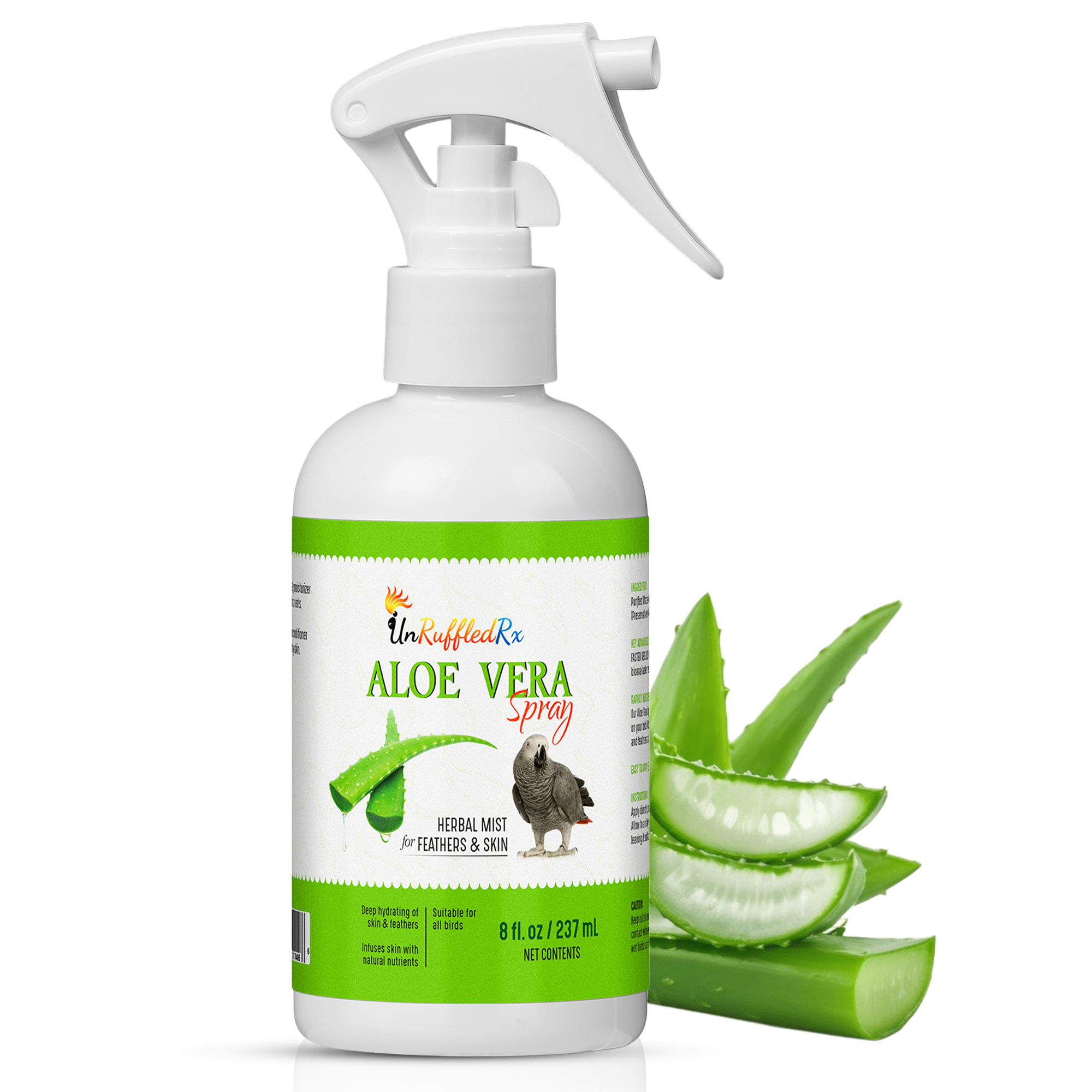
The molt is doing its job of growing new, healthy feathers. And with a little attention—extra nutrition, gentle environmental support from bathing and humidity control, maybe a comforting aloe vera mist or two each day —you can make this comfortable rather than stressful.
Other clues: new feathers pushing through evenly, no bald or rashy skin patches, and your bird still eating a decent variety (even if limited). Think of this as early warning lights—they’re not catastrophic, but they’re telling you to step in before things get harder.
Red Flags Owners Wish They’d Caught Earlier
Now let’s talk about the moments owners kick themselves over. Dry, crusty skin. Feathers falling out unevenly. Bald spots appearing. Your parrot suddenly refusing to eat almost anything. Or worse, picking at pin feathers obsessively. Those are the signals that something is more than “just molting.”
Why Do Owners Miss the Red Flags?
Because molting looks normal—on the surface. But dig a little deeper, and you’ll see why it’s easy to miss until it’s serious:
-
Birds hide discomfort amazingly well. They’re masters at masking pain or irritation until it’s intense.
-
Early signs are subtle. A little extra scratching or fluffed feathers might seem “normal” at first glance.
-
By the time bald spots or picky eating appear, the body may already be nutrient-depleted.
- Delayed recognition slows recovery. Weak feathers and longer healing times happen when early intervention is skipped.
Why Early Comfort Matters More Than You Think
Molting is heavy lifting for a bird’s body. Every feather is a tiny miracle, but it demands protein, minerals, and vitamins. Ignoring early signs of stress or discomfort is like letting a marathon runner train with old, broken shoes—you’re setting them up for injury and frustration.
Helping your bird early—supporting nutrition, safe handling, and gentle reassurance—prevents long-term issues and keeps stress low. Birds are sensitive, perceptive, and reactive to even subtle changes. If you act early, you’re not just saving feathers; you’re protecting your bird’s physical and emotional health.
Remember: catching things early isn’t coddling—it’s smart ownership. And yes, your patience and attention now will pay off in a healthier, happier bird that trusts you completely through every molt.
What actually causes birds to be uncomfortable during molt?
Diet Gaps That Leave Skin Dry and Feathers Weak
Molting is literally a full-body nutrient workout. Each new feather needs protein, vitamins, and minerals in just the right amounts. Skip or skimp on anything—calcium, vitamin A, zinc—and your bird’s skin dries out, feathers break, and preening becomes a struggle. Even birds that “seem fine” can be running a slow-motion deficiency that only shows up during the molt.
Pro tip: a varied diet isn’t optional—it’s mandatory. Think of it like prepping an athlete for a marathon. You wouldn’t feed a runner potato chips for 26 miles, right?
Environmental Issues That Make Molting So Much Worse
Humidity too low? Temperature swings? Drafty cages? Harsh lighting? All of these amplify skin irritation and feather fragility. Birds evolved in tropical rainforests where the environment is consistent. Your cozy living room often falls short.
Simple tweaks—humidifier, stable temperature, soft natural lighting—can make a night-and-day difference. Your bird isn’t dramatic—it’s just sensitive to what its feathers actually need.
Products and Sprays That Can Accidentally Irritate Skin
That “refreshing” cage spray or scented cleaning product might smell nice to you—but it can be an irritant to your bird’s delicate skin and pin feathers. Even certain supplements or powders can trigger flare-ups if overused or not designed for birds.
Rule of thumb: if it wasn’t tested on birds, or if your bird reacts with sneezing, rubbing, or flinching, it probably doesn’t belong in their environment during molt.
FAQ / Table: 3 Most Feather-Horrific Diseases in the U.S.
Some discomfort isn’t just molting—it’s disease. Here’s a quick guide to the top three culprits you’ll hear about in the U.S., with what to look for and when to call your avian vet:
| Disease | Key Signs | Action |
|---|---|---|
| Psittacine Beak & Feather Disease (PBFD) | Abnormal feather growth, feather loss, beak deformities | Immediate vet consult; isolate affected birds |
| Avian Polyomavirus | Stunted feathers, sudden death in chicks, lethargy | Veterinary testing; strict hygiene |
| Cnemidocoptes Mite Infestation | Scaly skin, feather damage, scratching | Topical vet treatment; clean cages thoroughly |
Tip: Keep this table handy. Early recognition can mean the difference between a minor molt and a feather catastrophe. And yes—if you notice anything unusual, call your vet immediately. Don’t wait until feathers look “bad enough” to worry.
Is this mites, stress, or something else I should worry about?
“It Must Be Mites”
“Scratching Means My Bird Is Sick”
“There’s Nothing I Can Do Until Molt Is Over”
What actually helps an itchy, molting bird feel better?
When Dry Skin Is the Main Issue
When Feathers Look Damaged or Chewed
When Your Home Environment Is Working Are all bird sprays safe — and how do I use them without harming my bird?
What to Look for in a Spray You Can Trust
How Often to Use It — and What Changes to Watch For
Common Mistakes Well-Meaning Owners Make
How can I tell if what I’m doing is actually helping?
FAQ
Quick Self-Check: Is Your Bird Just Molting or Actually Uncomfortable?
Quick Reference Table: Molting vs. Problem Itching
| What You See | What It Usually Means |
|---|---|
Related Posts Bird Owners Often Find Helpful
APA Style References
Meet Diane Burroughs, LCSW – licensed psychotherapist, ABA-trained behavior guru, and your go-to expert for avian anxiety (yes, birds get stressed too!). Certified in Nutrition for Mental Health, Diane turns science into real-world solutions for feathered friends. She’s the author of multiple bird behavior books, offers one-on-one behavior consultations, and is the brain behind UnRuffledRx.
Diane’s creations are used by avian vet clinics and bird stores across the U.S. With 30+ years of hands-on experience, she’s helped thousands of birds thrive through behavior-first, science-backed care.
SHARING IS CARING! PLEASE SHARE ON YOUR FAVORITE SOCIAL MEDIA NOW!