
Table of Contents
- Is This Molting or Feather Plucking?
- Why Do Birds Start Plucking?
- What Signs Should You Be Watching?
- What This Is Doing to Your Bird
- What To Do Right Now
- How to Stop It From Getting Worse
- When This Becomes Urgent
- Help Your Bird Recover
If you’re here, something feels off. Maybe you’re seeing feathers on the cage floor, or your bird keeps going back to the same spot over and over.
You’re not overreacting. This is exactly how feather plucking starts—and catching it early matters.
If you’re not sure this is plucking yet, start here → [Molting vs Plucking]
Is This Molting or Feather Plucking?
This is the first question most people ask—and it’s the right one.
Molting looks like this:
Feathers fall out naturally a few at a time. New ones come in. This is totally normal.
Preening looks like this:
The bird moves calmly from feather to feather across different parts of the body, using its beak and tongue to gently realign and smooth each feather. Preening is normal behavior in birds.
Plucking looks different:
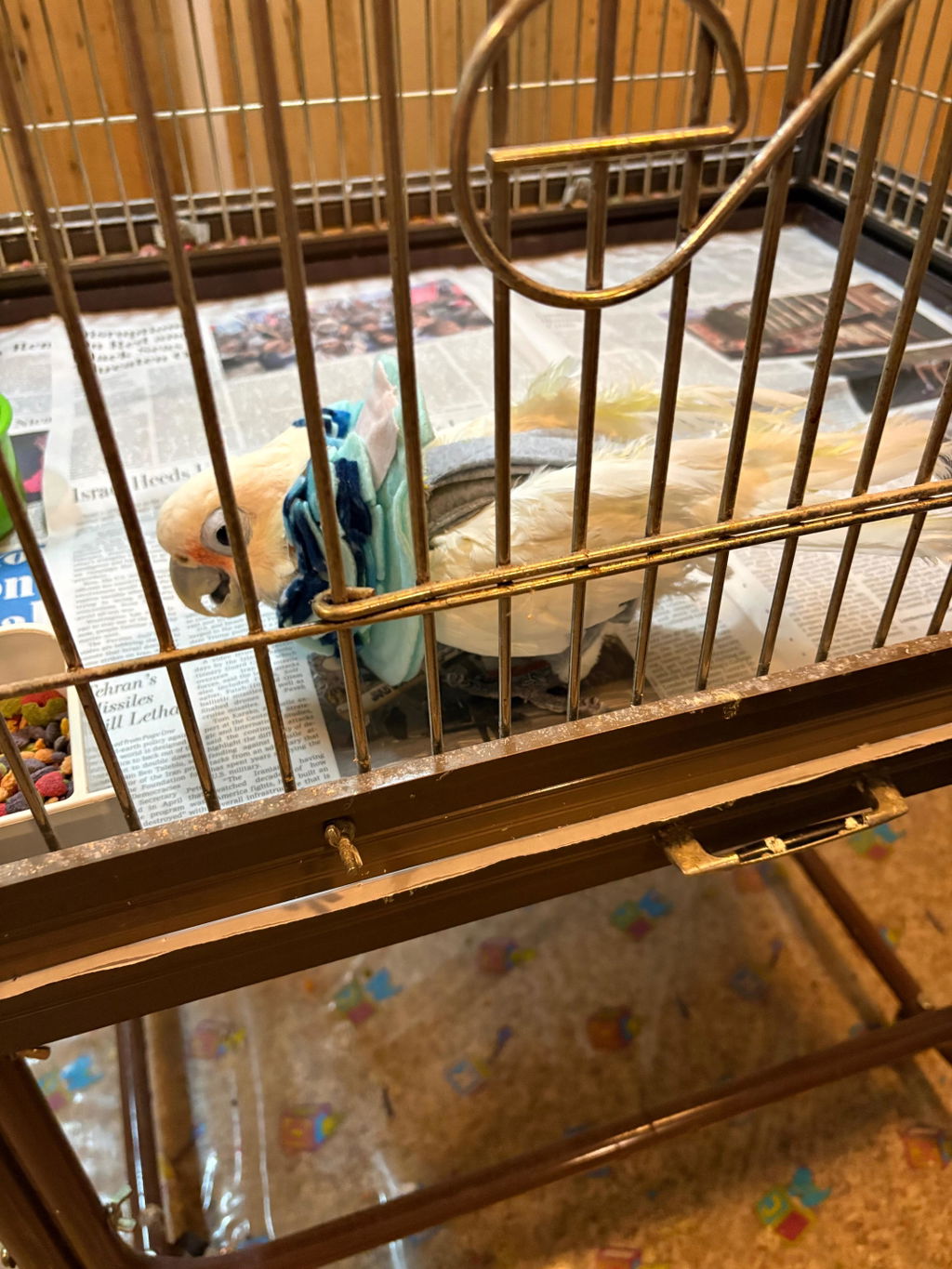
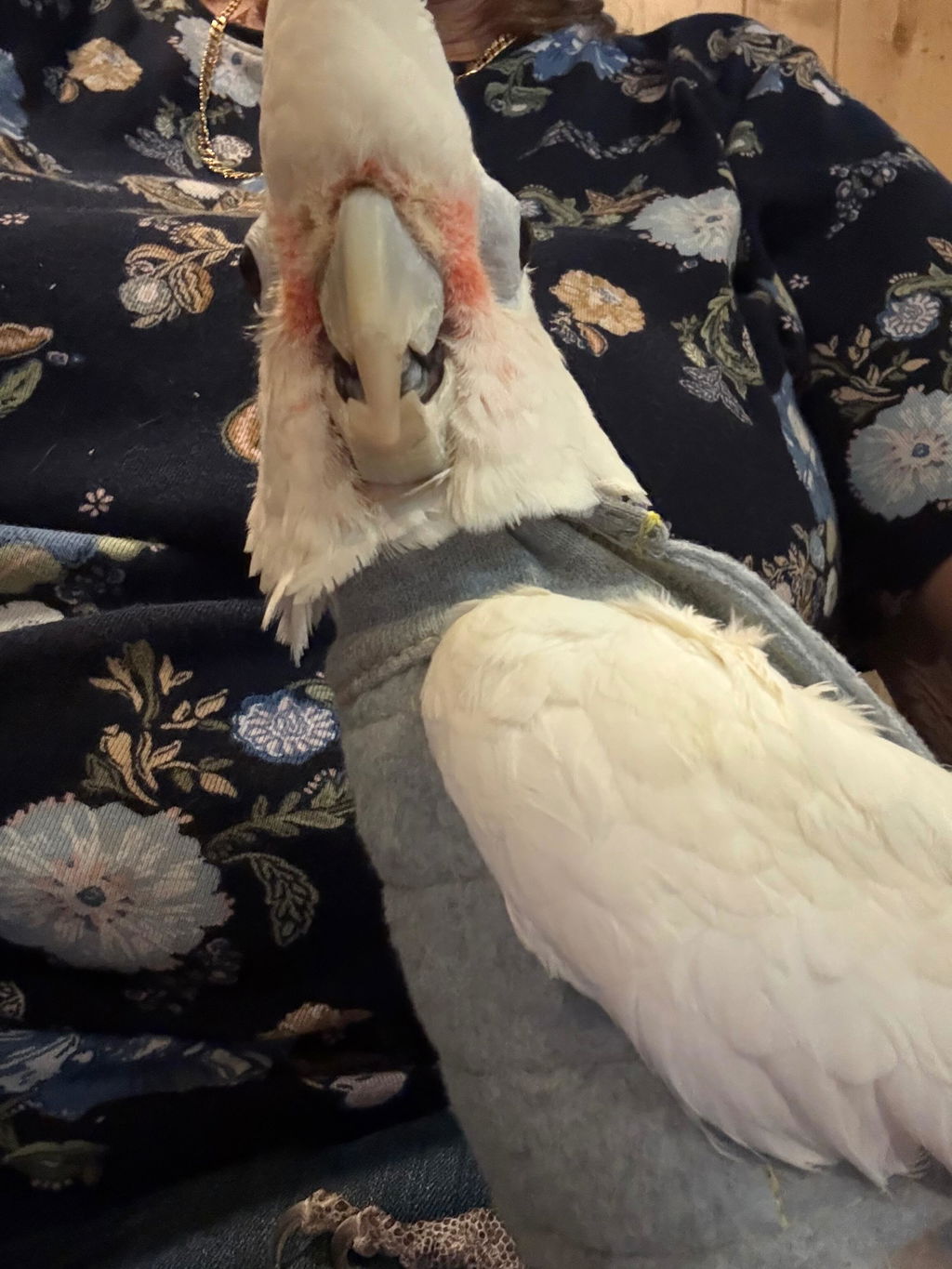
The bird fixates on one area and works at it intensely—digging, chewing, snapping, or pulling at the same feathers over and over. This is abnormal behavior that can turn into a destructive habit.
Mutilation looks different:
The bird is no longer just working on feathers—it is damaging the skin underneath. The behavior is focused, repetitive, and difficult to interrupt, often returning to the same area over and over.
This is a serious condition, not a grooming issue, and requires immediate intervention to prevent further injury.
What owners usually notice first:
- “He keeps going back to the same spot.”
- “The feathers look shredded, not clean.”
- “It’s getting worse, not better.”
If the feathers are being damaged instead of simply shed, this is not a normal molt.
Quick Self-Check
Check what you're seeing right now:
Why Do Birds Start Plucking?
Plucking doesn’t come out of nowhere. It starts when something feels wrong in the body—and the bird tries to fix it the only way it can.
Key point: This is not random behavior.
What your bird may be trying to regulate
- Skin discomfort: itch, dryness, poor feather quality
- Stress load: changes, tension, overstimulation
- Boredom: nothing meaningful to do
- Internal imbalance: diet gaps, hormones, illness
This is what matters:
The behavior you’re seeing is a response—not the root problem.
What Signs Should You Be Watching?
Most people don’t notice this early—until it’s obvious.
- Feathers look rough, chewed, or broken
- Bird keeps going back to one location
- Skin is broken or bleeding
- Behavior ramps up at certain times
- Preening looks intense, not relaxed
Simple way to think about it:
- Preening = calm, organized
- Plucking = repetitive, driven
- Mutilation = compulsive, injurious, escalates
What This Is Doing to Your Bird
Instead of laying smooth and tight, they stick out, twist, or break easily
Feathers help regulate temperature and protect the skin—not just “look pretty”
This often drives more picking at the same area
The bird starts going back to the same spot automatically
Something feels off → the bird plucks → skin/feathers worsen → the urge increases
This is why early action matters. The longer it goes, the harder it is to reverse.

What To Do Right Now
If you’re seeing signs, don’t wait this out.
- Look at the feathers closely (clean vs damaged)
- Watch when the behavior happens
- Rule out medical issues with a vet
- Improve diet quality and variety
- Add real engagement (foraging, shredding)
- Track what changes week to week
How to Stop It From Getting Worse
You’re not just stopping a habit—you’re fixing what’s driving it.
- Support skin and feather health
- Give the bird something meaningful to do
- Keep routines consistent
There is no single fix. It’s a combination of changes that works.
When This Becomes Urgent
- Skin is exposed, irritated, or bleeding
- Feathers are breaking quickly
- Behavior is constant
- Energy or appetite changes
At this point, the bird is struggling—not just coping.
Help Your Bird Recover
Most birds don’t randomly pluck. They’re reacting to something.
Once you identify what’s driving it, you can start changing the pattern.
The earlier you step in, the easier it is to turn this around.
Related posts bird owners often find helpful
Why Is My Bird Molting and Itching? Complete Feather & Skin Care Guide
How to Help a Molting Bird Without Making Things Worse
Why Seed Diets Fail Birds During Molt (and What to Do Instead)
Pin Feathers Explained: When Molting Gets Itchy
Is My Bird Plucking or Just Having a Rough Molt?
Is Your Bird Stuck in a Constant Molt? What It Means
What are you seeing with your bird right now?
Drop a comment—we’ll help you figure it out.