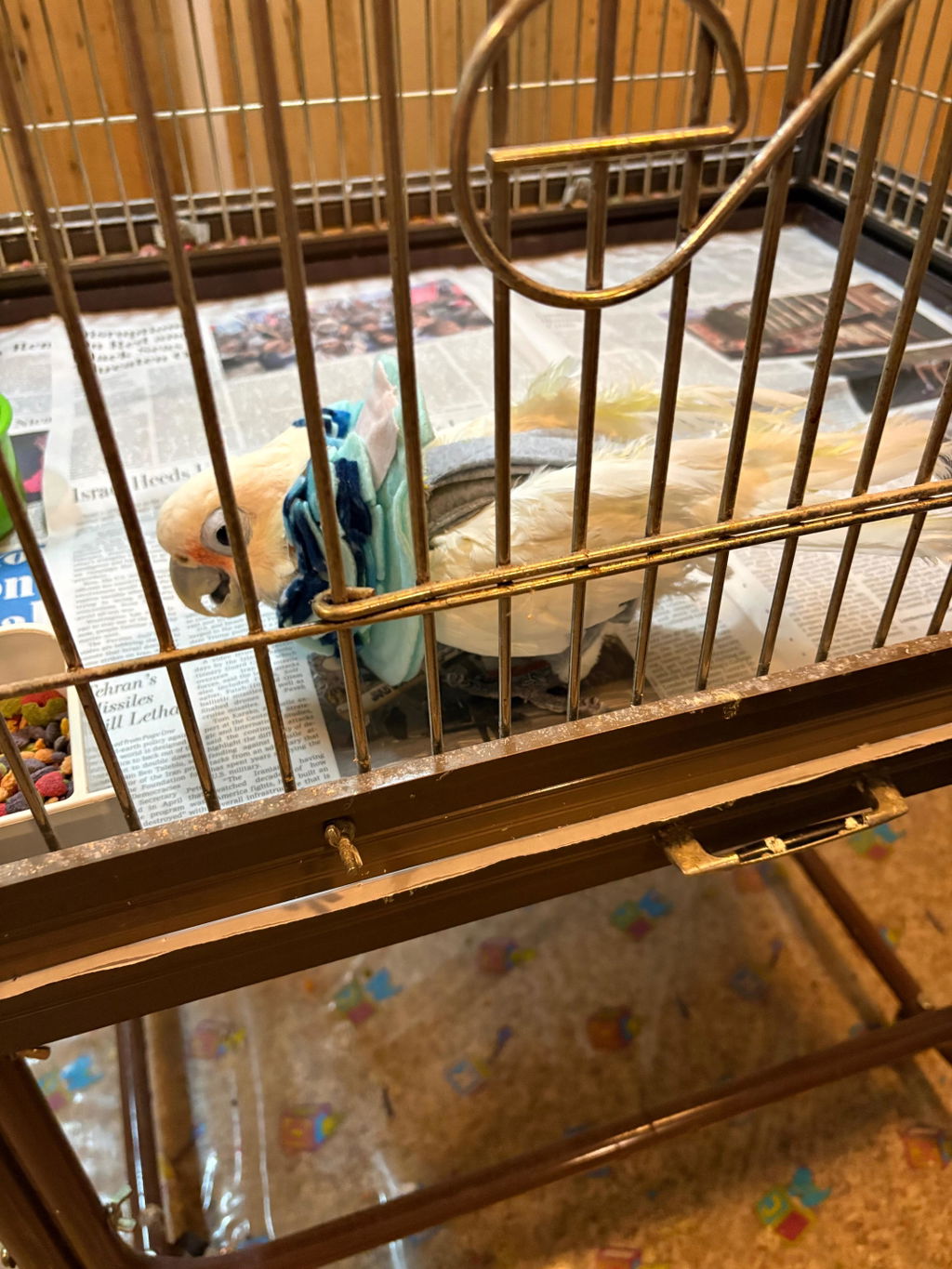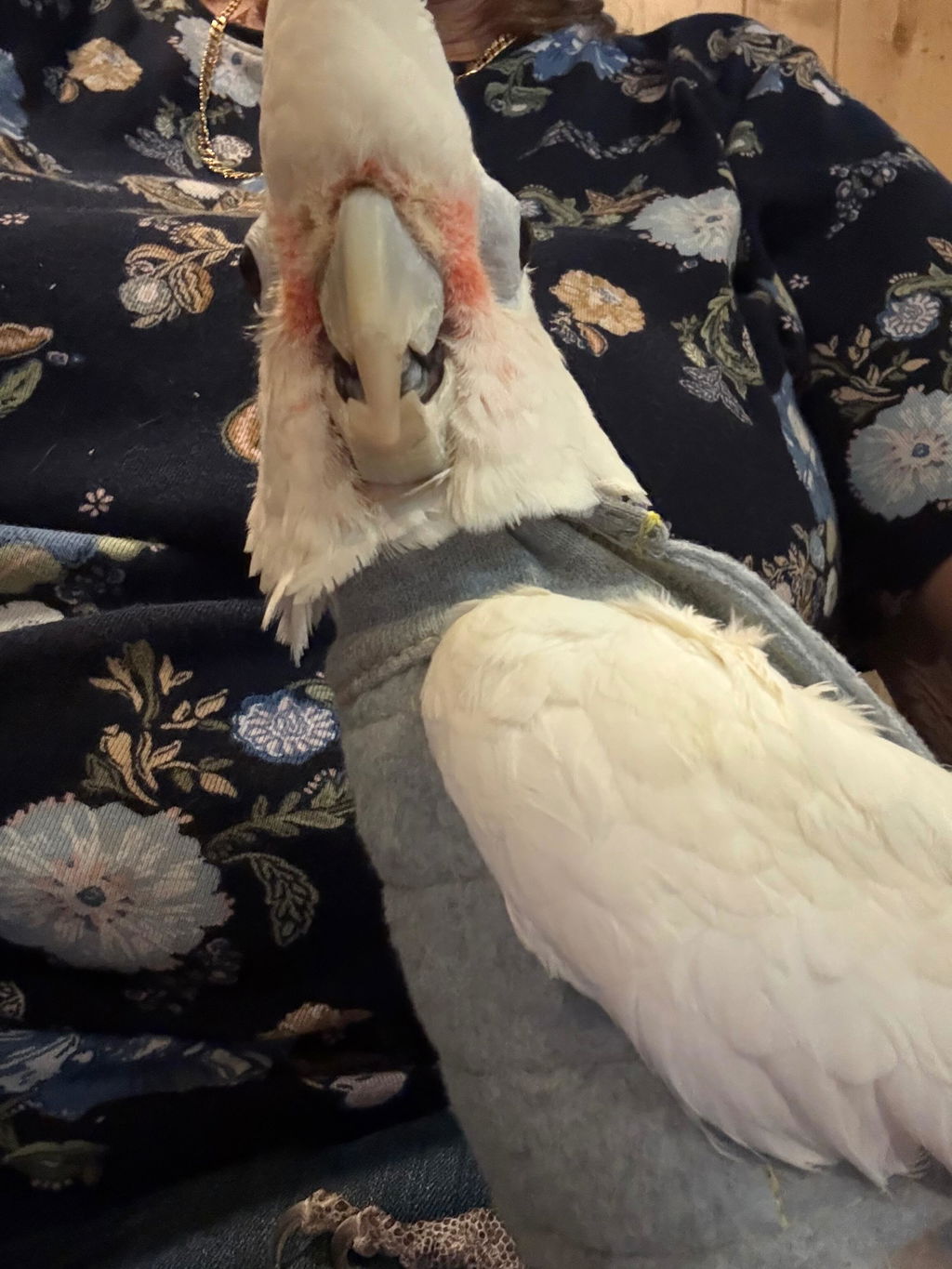

Does your bird seem to molt all the time? Many owners describe their bird as being "stuck in a molt" because it always looks scruffy, has pin feathers, or leaves feathers scattered around the cage. While birds don't literally become trapped in a molt, they can experience problems that prevent the normal feather replacement cycle from finishing. Poor feather quality, nutritional deficiencies, chronic feather damage, or underlying health issues can all cause a bird to replace feathers continuously, creating the appearance of a molt that never ends. Understanding why this happens is the first step toward helping your bird grow a healthy, complete set of feathers again.
Is this article for you?
- Your bird seems to be molting all the time.
- New feathers grow in rough, frayed, or damaged.
- Your bird keeps scratching or working on the same feathers.
- Your bird never seems to look fully feathered again.
- You're wondering if it's a normal molt—or something more.
In this article:
What Are You Actually Seeing?
Healthy birds don't usually look like they're molting all year long. They replace a few feathers at a time, allowing new feathers to grow in before more are shed. Many owners never notice a normal molt beyond finding a few extra feathers on the cage floor.
If your bird has looked scruffy for weeks or months, always seems to have pin feathers, scratches constantly, or never develops a smooth, finished plumage, you're probably looking at something more than a normal molt.
A healthy molt has a beginning and an end
As old feathers are replaced, new feathers mature, the pin feathers open, and the plumage gradually returns to normal. The cycle eventually finishes, leaving your bird with a complete, functional coat of feathers.
When feather replacement never seems to finish
Owners commonly describe birds like this:
- "My bird always looks scruffy."
- "It feels like my bird is constantly molting."
- "There are always pin feathers."
- "The new feathers don't look healthy."
- "He's always preening or scratching."
Those observations suggest the normal feather replacement cycle isn't completing as it should. Instead of producing a full set of healthy feathers, the bird continues replacing damaged or poorly formed feathers, making it appear as though the molt never ends.
Watch for patterns, not isolated feathers
Rather than counting the feathers on the cage floor, watch how your bird changes over time. Take weekly photographs in the same lighting and pay attention to scratching, preening, feather quality, activity level, and whether previously thin areas are filling in with healthy new feathers. Those patterns provide a much clearer picture of whether your bird is recovering or caught in an ongoing cycle of poor feather replacement.
Why Isn't My Bird Recovering?
If you've improved your bird's diet but they still look scruffy, don't assume it isn't working. Feathers don't heal. Once a feather is damaged or grows in poorly, it has to be replaced with a new one.
Healthy feathers take time to develop
Long before you see a pin feather, a new feather is already developing beneath the skin. During that time, it depends on good nutrition, healthy feather follicles, and a body that isn't constantly dealing with stress or illness. If those conditions aren't right, the new feather may never reach its full potential.
Today's care supports tomorrow's feathers
The changes you make today won't improve the feathers your bird already has. They help the next generation of feathers develop normally. As older, damaged feathers are replaced over the coming months, most owners begin to notice a smoother, healthier-looking plumage. If your bird never seems to reach that point, it's time to look for the reason feather development keeps being interrupted.
Key takeaway:
A healthy feather starts long before you ever see it. Today's diet, sleep, and overall health help your bird grow the next generation of feathers—not repair the feathers that have already finished growing.
Why Does My Bird Still Look Scruffy?
If your bird never seems to finish molting, look beyond the feathers. Feather quality reflects your bird's overall health, so problems with diet, daily care, or an underlying illness can all interfere with normal feather development.
A poor diet shows up in the feathers
Growing healthy feathers requires much more than calories. Birds need adequate protein, vitamins, minerals, and healthy skin for new feathers to develop normally. That's why birds eating mostly seed often have dull, fragile, or slow-growing feathers.
Daily habits matter, too
Sleep, bathing, exercise, humidity, and opportunities to forage and play all support healthy feather growth. Birds that are bored, chronically stressed, or sleep deprived often spend more time preening and less time recovering.
Sometimes it's more than a feather problem
If your bird continues to look scruffy despite good nutrition and care, the feathers may be signaling an underlying health problem. Nutritional deficiencies, skin disease, parasites, liver disease, hormonal disorders, and other medical conditions can all affect feather quality. When feather problems are accompanied by changes in appetite, energy, weight, or behavior, schedule an examination with an avian veterinarian.
What Can I Do to Help My Bird Recover?
The good news is that birds replace their feathers throughout their lives. If you can identify and correct the underlying problem, many birds gradually grow healthier feathers over the next several months.
Don't expect dramatic changes next week. The feathers you see today were built weeks or even months ago. What you do now helps your bird build the next generation of feathers.
Focus on the things that make the biggest difference
You don't need to overhaul everything overnight. Start with the fundamentals that support healthy feather growth.
- Feed a balanced diet appropriate for your bird's species.
- Offer fresh vegetables and other healthy foods your bird enjoys.
- Provide a consistent sleep schedule with plenty of uninterrupted darkness.
- Encourage bathing if your bird enjoys it.
- Provide daily opportunities to climb, chew, forage, and play.
- Keep the cage, perches, and food bowls clean.
Give nutrition time to work
One of the biggest mistakes owners make is expecting better feathers within a couple of weeks.
Healthy feathers take time to grow.
For many companion parrots, meaningful improvements become noticeable over about one complete feather-growth cycle—often around three months. Larger parrots and birds with extensive feather damage may need longer because every damaged feather must be naturally replaced.
Know what improvement looks like
Recovery usually happens gradually. Instead of waiting for your bird to suddenly look perfect, watch for small improvements along the way.
- ✓ Scratching becomes less frequent.
- ✓ Pin feathers open more normally.
- ✓ New feathers lie flatter.
- ✓ Bald areas slowly begin filling in.
- ✓ Your bird spends more time playing and foraging.
- ✓ Appetite and activity remain normal.
Those small changes often appear before dramatic improvements in feather quality and are encouraging signs that your bird is moving in the right direction.

Shop Molting Support
Support your bird through a difficult molt with products chosen for feather growth, skin comfort, and the nutrients needed to build strong new feathers. Shop based on what you are actually seeing—persistent scratching, rough feather quality, slow regrowth, or a bird that never seems to finish molting.

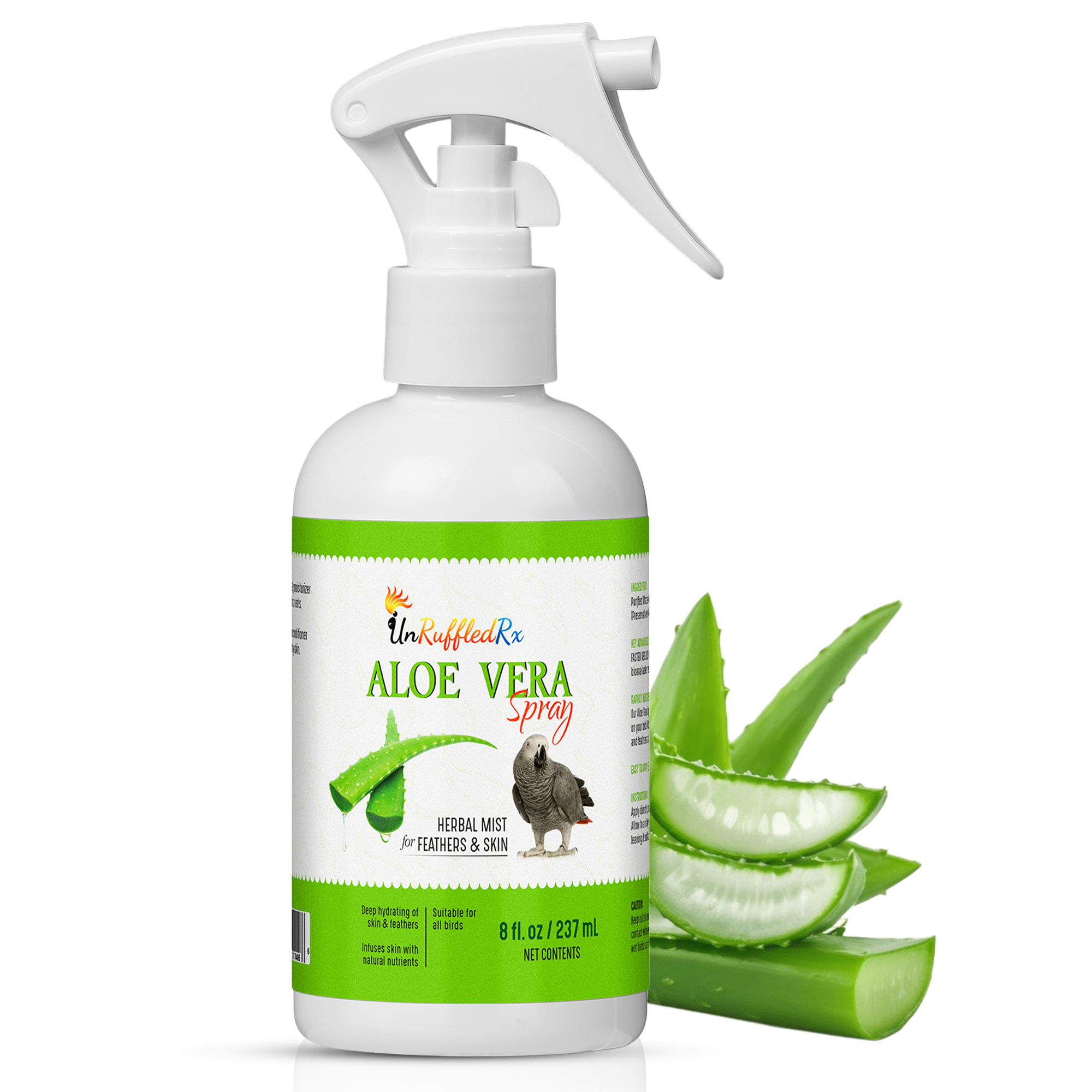
Aloe Vera Bird Spray
Adds soothing moisture from aloe to help calm dry, itchy skin and soften uncomfortable pin feathers during molt.
Support Skin
FeatherUp! Bird Vitamins
Adds targeted vitamins and amino acids to support healthy feather growth, active molt, and nutritional recovery from feather damage.
Add Nutrition
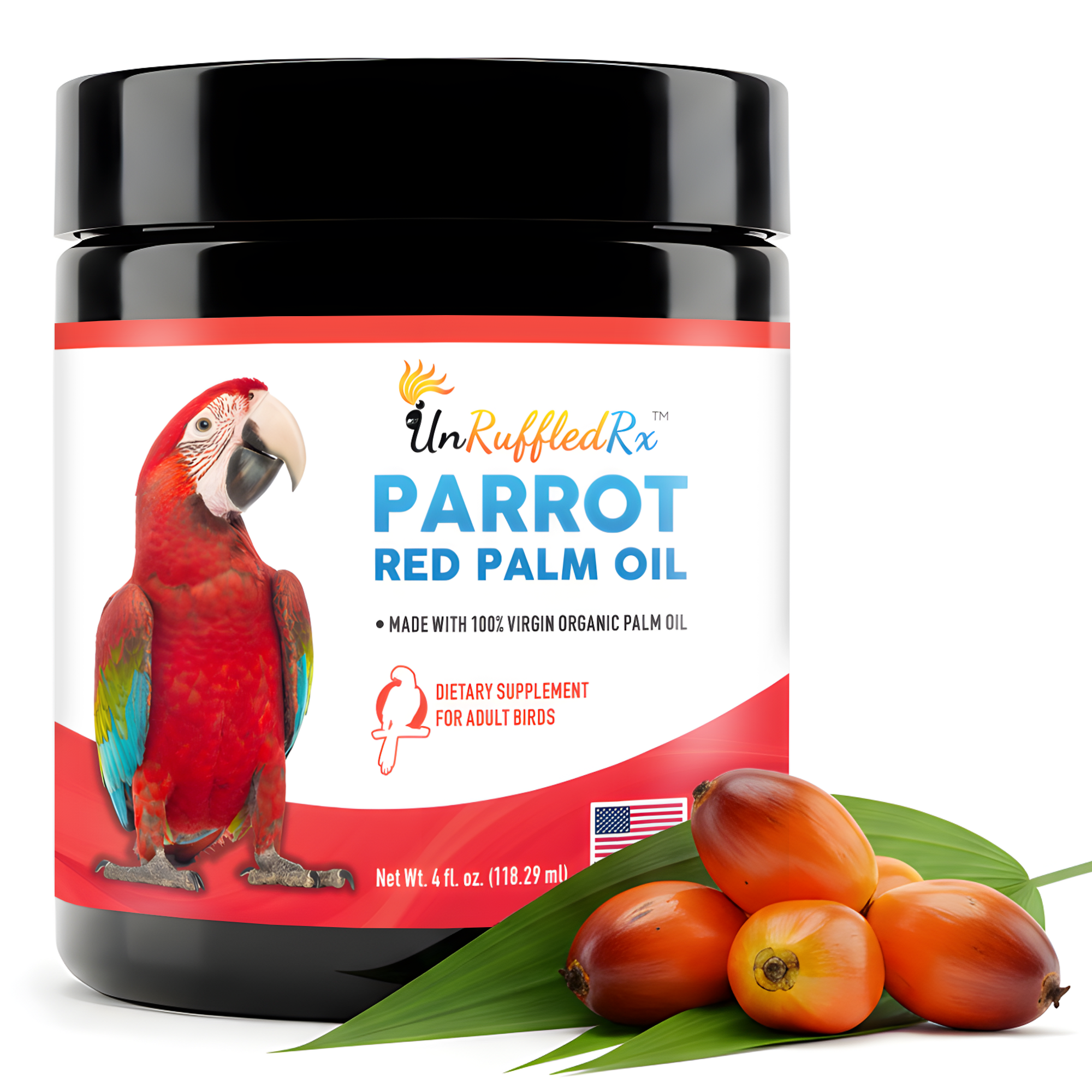
Red Palm Oil
A rich plant-based favorite for birds who enjoy bold color and flavor. Use sparingly as part of a varied fresh-food routine.
Add Vitamin A
Bird Sprouting Seeds
Adds fresh crunch, natural foraging texture, and living plant-based variety to vegetables, greens, and chop.
Fresh NutritionWhat Can You Do Right Now?
Start with the basics
- Improve the diet gradually. A balanced diet gives your bird the protein, vitamins, minerals, and healthy fats needed to build stronger new feathers.
- Keep sleep consistent. A regular dark, quiet sleep period supports normal recovery and helps your bird handle the demands of feather growth.
- Offer bathing if your bird enjoys it. Bathing can soften pin-feather sheaths, reduce dust, and make itchy skin more comfortable. Do not force it.
- Give your bird more to do. Foraging, chewing, climbing, shredding, and playing keep your bird active and reduce the amount of time spent focused on the feathers.
- Photograph the same areas once a week. Weekly pictures make it easier to see whether bald spots are filling in, new feathers are opening normally, and overall feather quality is improving.
Do not change everything at once
When your bird looks rough, it is tempting to add several supplements, replace the diet, change the routine, and try new products all at the same time.
Make one or two thoughtful changes, then give them time to work. Feather recovery is gradual, and changing everything at once makes it harder to tell what is actually helping.
Remember that the feathers you see today were built weeks or months ago. The changes you make now are helping your bird grow the next generation of feathers.
Bottom Line
If your bird always seems to be molting, the problem may not be the molt itself—it may be that your bird isn't fully recovering between feather cycles.
Healthy feathers take time to grow. The feathers you see today were built weeks or months ago, which means the choices you make today help your bird build the next generation of feathers.
Focus on the things that matter most: a balanced diet, consistent sleep, regular bathing if your bird enjoys it, opportunities to forage, chew, climb, and play, and prompt veterinary care whenever something doesn't seem right.
Don't judge progress by one rough feather day or one heavy molt. Instead, look for gradual improvement over time. Less scratching. Healthier pin feathers. Smoother plumage. Better activity. More interest in playing and foraging. Those are often the first signs that your bird is moving in the right direction.
If your bird continues looking rough despite good care—or develops skin damage, weight loss, low energy, changes in appetite, or other signs of illness—schedule an appointment with an avian veterinarian. Identifying the underlying problem early gives your bird the best chance of growing healthier feathers with each new feather cycle.
Related posts bird owners often find helpful
Why Is My Bird Molting and Itching? Complete Feather & Skin Care Guide
How to Help a Molting Bird Without Making Things Worse
Why Seed Diets Fail Birds During Molt (and What to Do Instead)
Pin Feathers Explained: When Molting Gets Itchy
Is My Bird Plucking or Just Having a Rough Molt?
Humidity, Bathing, and Molting: What Indoor Birds Actually Need
Is Your Bird Stuck in a Constant Molt? What It Means
References
Chen, M.-J., Xie, W.-Y., Jiang, S.-G., Wang, X.-Q., Yan, H.-C., & Gao, C.-Q. (2020). Molecular signaling and nutritional regulation in the context of poultry feather growth and regeneration. Frontiers in Physiology, 10, Article 1609. https://doi.org/10.3389/fphys.2019.01609
Lightfoot, T. L. (2024, September). Skin and feather disorders of pet birds. In Merck Veterinary Manual. Merck & Co., Inc. https://www.merckvetmanual.com/bird-owners/disorders-and-diseases-of-birds/skin-and-feather-disorders-of-pet-birds
Lucas, A. M., & Stettenheim, P. R. (1972). Avian anatomy: Integument (Agriculture Handbook No. 362). U.S. Department of Agriculture. https://naldc.nal.usda.gov/catalog/CAT87209099
McGraw, K. J. (2006). Mechanics of carotenoid-based coloration. In G. E. Hill & K. J. McGraw (Eds.), Bird coloration, Vol. 1: Mechanisms and measurements (pp. 177–242). Harvard University Press.
Stettenheim, P. R. (2000). The integumentary morphology of modern birds—An overview. American Zoologist, 40(4), 461–477. https://doi.org/10.1093/icb/40.4.461
Meet Diane Burroughs, LCSW – licensed psychotherapist, ABA-trained behavior guru, and your go-to expert for avian anxiety (yes, birds get stressed too!). Certified in Nutrition for Mental Health, Diane turns science into real-world solutions for feathered friends. She’s the author of multiple bird behavior books, offers one-on-one behavior consultations, and is the brain behind UnRuffledRx – a line of science-backed parrot wellness products that actually work.
Diane’s creations have flown off the shelves into avian vet clinics and bird stores across the U.S., and her work has been featured in the Journal of Avian Medicine & Surgery and at Exoticscon. With 30+ years of hands-on experience, she’s helped thousands of birds thrive with customized behavior plans, proving that happy birds make happy humans.
SHARING IS CARING! PLEASE SHARE ON YOUR FAVORITE SOCIAL MEDIA NOW!