
Question: Do pet birds benefit from antioxidants during higher-stress periods like molting, aging, hormonal cycles, routine changes, or limited diet variety?
Short answer: Sometimes — in the right situations, and always as part of a bigger nutritional picture.
Most birds don’t need antioxidant support every day. But during times when a bird’s body is working harder than usual, thoughtful, targeted support can help maintain normal cellular function and overall resilience.
This question comes up frequently in bird groups (and yes, Reddit too), usually when an owner notices something subtle. Their bird isn’t sick — just a little more taxed by life than usual. That instinct to support long-term wellness without overdoing it is a good one.
This post explains what antioxidants actually do, why oxidative stress is a normal part of life, when additional support makes sense, and when it’s probably unnecessary. No hype. No miracle claims. Just context.
Do I actually need to worry about oxidative stress?
Short answer: Not in a panic way — and it’s not a reflection of bad care. But, it is a part of good avian nutrition,
Oxidative stress is simply part of being alive. Birds eat, breathe, move, grow feathers, and metabolize food. All of those normal processes create byproducts the body has to manage.
Antioxidants are nutrients that help the body keep that balance steady. They don’t stop oxidative processes — they help the body manage them efficiently. There are many nutritious, plant-based foods that support the body by providing antioxidants along with a wide range of other essential nutrients that work together.
What antioxidants actually do (in plain English)
Antioxidants help neutralize free radicals, which are unstable molecules created during normal metabolism.
Birds burn energy fast. That’s what gives them their lively personalities, but it also means their bodies are constantly working and need good nutritional support to keep things in balance.
Over time, antioxidant support may help keep the body working smoothly, supporting a bird’s physical condition and their ability to handle everyday stress.
Why this question keeps coming up
Most owners who ask about antioxidants are already doing many things right. They’re feeding pellets and fresh plant-based foods, paying attention to routines, and noticing patterns over time.
They aren’t chasing trends or quick fixes. They just want to make thoughtful choices that support their bird, without getting overwhelmed.
Why birds experience everyday oxidative load
Even well-cared-for parrots live in environments that are very different from the wild.
Indoor air, artificial lighting, limited foraging variety, processed foods, routine changes, and social stress all add to a bird’s metabolic workload over time.
None of this means something is “wrong.” These are normal demands on a bird’s body, and good nutrition plays a huge part in how well they cope, recover, and thrive long term.
When does antioxidant support really matter?
Nutrition affects mood because the nervous system is fueled by nutrients and plant compounds — not just calories. Amino acids, hemp compounds, and calming herbs all work through this same body-brain connection, just in different ways.
Times when extra support often makes sense
Molting: Feather production is vert nutrient-intensive, even for birds on good diets.
Aging: Older birds and rescue birds often take longer to recover from stress and change.
Diet limitations: Fresh foods naturally contain antioxidants, but many birds don’t eat enough variety consistently.
Hormonal or seasonal shifts: Changes in light, sleep, and behavior can increase physical demand.
Environmental or emotional stress: Routine changes, noise, travel, or social disruption all raise nutrient needs.
What antioxidant support is — and isn’t
It is: a simple way to give the body extra support during normal stress — not by changing everything, but by adding helpful nutrients to food or water you’re already serving.
It isn’t: meant to “fix” behavior or replace the basics — it works alongside good nutrition, consistent routines, enrichment, and appropriate veterinary care.
A helpful way to think about this
A varied, nutrient-rich diet acts like a protective buffer — or armor — against everyday stress, and adding things like herbs, seeds, or plant-based toppers to bird chop is one of the easiest ways to build that support in consistently.
Rotating plant-based nutritional supports over time acts like insurance, helping cover nutritional gaps before they show up — a simple habit that can make long-term care easier.
When is antioxidant support probably unnecessary?
If your bird is eating pellets, a variety of plant-based foods, and acting like themselves, extra antioxidant support may not be needed at the moment. Some bird owners still add gentle, rotating nutrition as added insurance.
Signs your foundation is already strong
Good signs include eating and maintaining weight normally, staying active, having feathers that look appropriate for the season, showing steady energy, and engaging with family in a relaxed, positive way.
Birds don’t need a lot of synthetic extras to thrive. Good Pellets, simple, plant-based nutrition and consistency often do more than heavily processed supplements, especially when the ingredient list reads more like a chemistry set than real food.
Common mistakes bird owners make
Most mistakes come from caring deeply and trying to do too much at once.
Changing everything at the same time
When diet, lighting, routines, and supplements all change together, it’s impossible to tell what helped or caused stress.
Following advice without context
Online communities are a great resource for shared experience, but they can’t replace understanding the individual bird in front of you. Birds have different needs, and context always matters.
Something that helps one bird can be completely unnecessary for another, simply because their needs aren’t the same.
Antioxidant-rich foods that support a healthy foundation
- Leafy greens & vegetables: Foods like kale, dandelion greens, collards, bell peppers, carrots, and sweet potato provide antioxidants along with vitamins, minerals, and fiber that work together to support the whole body.
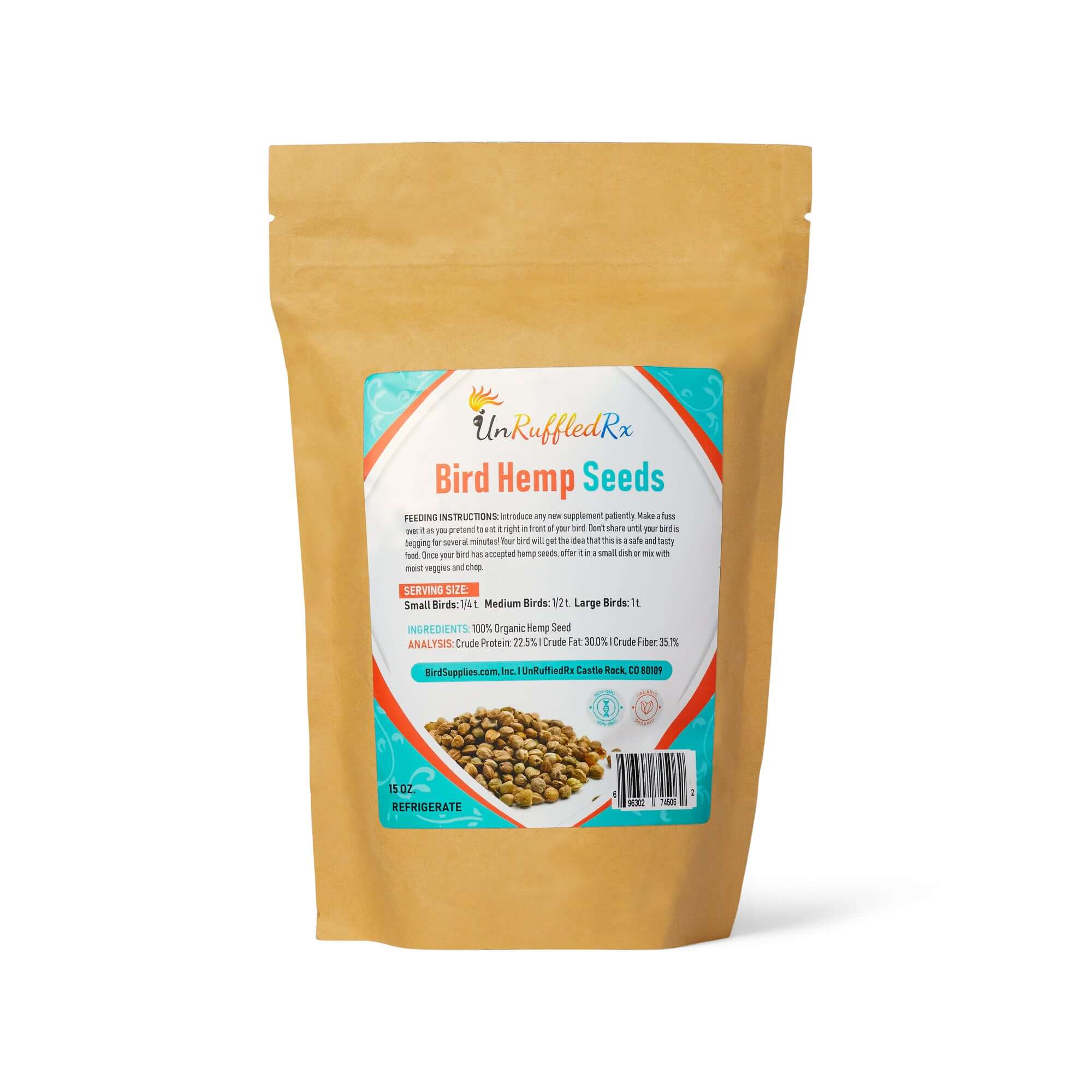
- Seeds with natural fats: Seeds such as chia, flax, and hemp (like those found in OmegaGlow) contribute plant-based omegas and phytonutrients that support cell health and help the body use fat-soluble nutrients more effectively.
- Hemp seed compounds: Hemp seeds naturally contain fatty acids and plant compounds that support balance in the body, especially during stress, without acting as stimulants or sedatives.
- Gentle calming herbs: Herbs like chamomile, lemon balm, and similar plants (used in SereniTea) contain natural plant compounds that support the nervous system and help the body handle everyday stress more smoothly.
- Fruits and berries (small amounts): Berries and other fruits provide antioxidants, but they’re best used sparingly as part of a larger, vegetable-forward mix.
How to approach this safely
When it comes to bird health, simple and steady usually works best.
Start small and observe
Change one thing at a time and watch for changes in appetite, droppings, energy, and behavior.
When to involve a professional
Sudden weight loss, lethargy, appetite changes, breathing issues, or major behavior shifts are signs to contact an avian or exotic veterinarian — not to add supplements.
Putting this into real life
Supporting a bird’s health doesn’t have to be complicated. Small, consistent choices tend to matter more than trying to get everything “perfect.”
A solid everyday diet does most of the heavy lifting. Thoughtful, rotating plant-based support can help when a bird’s needs change — without overdoing it.
Quick recap
- Antioxidants support normal cellular processes as part of a bigger picture — they work best alongside good daily nutrition.
- A varied, nutrient-rich diet remains the foundation of long-term bird health.
- Rotating support during higher-stress periods is often more appropriate than constant supplementation.
- Simple routines and regular observation help you notice what’s working without overcomplicating care.
- Our approach is to offer clear, single-purpose options so you can choose targeted support when it’s needed — and skip it when it’s not.
Written by Diane Burroughs, founder of BirdSupplies.com and UnRuffledRx™, with over 25 years of hands-on experience supporting parrot health, behavior, and nutrition through evidence-based care and practical routines used by real bird owners.
TAGS: #BirdCare #NaturalSupport #BirdFood
SHARING IS CARING 📣
If this helped, pass it along to another bird owner.
Related Posts:
Bird Food: Feeding Your Parrot A Well-Balanced Diet
Can Your Bird Have a Vitamin A Deficiency? These Diet Hacks Will Help!
What Does It Mean If Your Bird Is Panting?
References:
6 Plant-based Anti-inflammatories and Antioxidants for Birds
Pet Bird Nutrition: Essential Tips for Providing a Balanced Bird Diet
TAGS: #PetBirdNutrition #NaturalAntioxidantsForBirds
SHARING IS CARING! PLEASE SHARE ON YOUR FAVORITE SOCIAL MEDIA NOW!