Bird Greens for Parrots: Daily Plant Nutrition Support
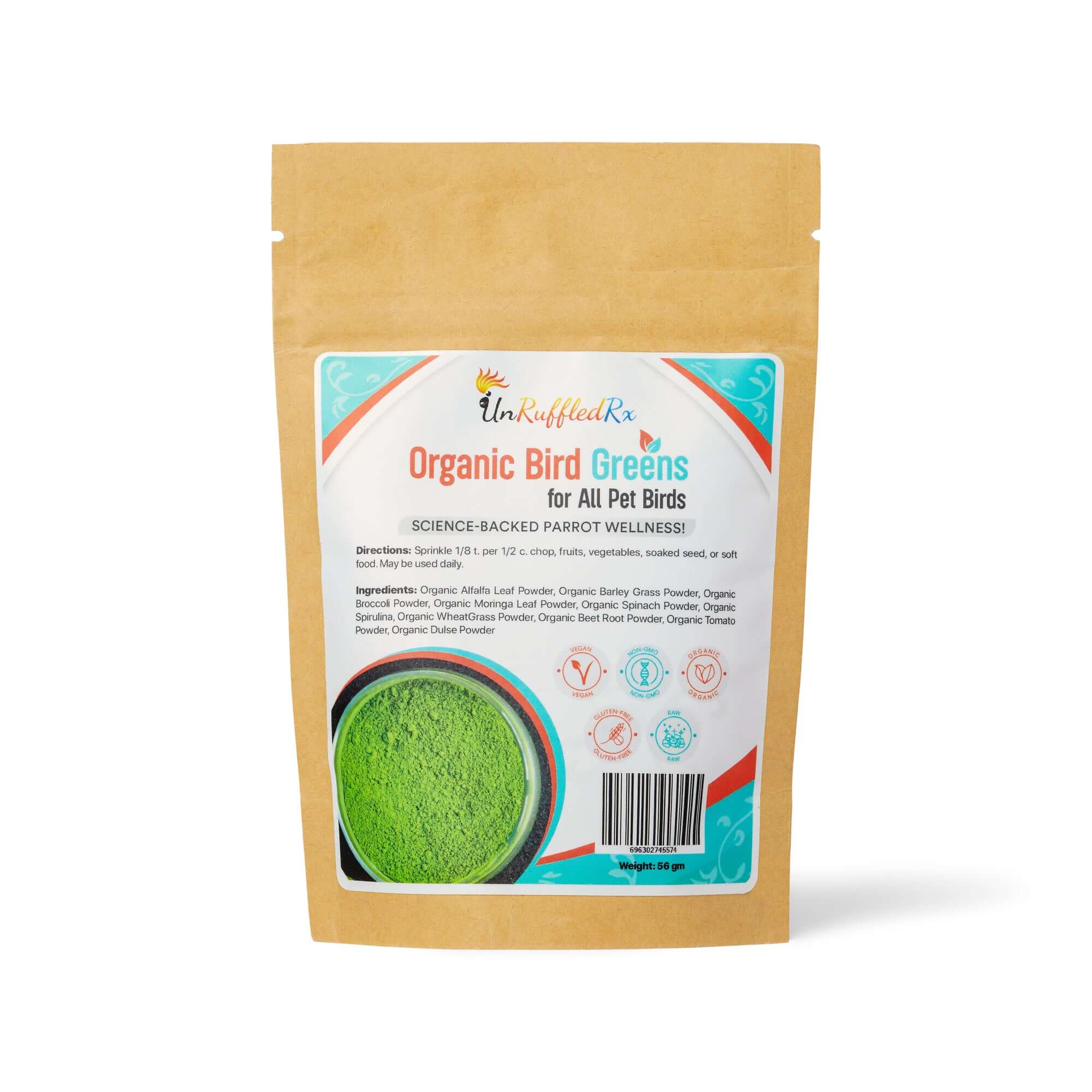
Bird Greens is a concentrated blend of bird-safe leafy greens designed to support daily micronutrient intake in parrots—especially birds that eat limited vegetables, inconsistent chop, or seed-heavy diets.
What Are Bird Greens?
Bird Greens are powdered leafy greens made for parrots. They add plant-based nutrients and natural phytonutrients to the diet without sugars, dyes, or sweeteners.
Why Do Parrots Need Leafy Greens?
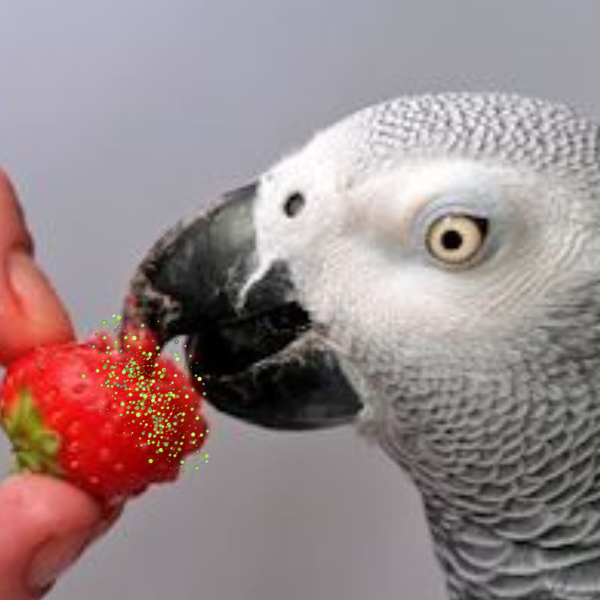
In the wild, parrots consume a wide variety of plant matter. In captivity, reduced plant diversity can show up as dull feathers, slower molts, low energy, or inconsistent droppings. Leafy greens help support normal feather growth, immune function, and metabolic balance.
How Bird Greens Support Feather Health and Molting
Feather growth is nutrient-intensive. Bird Greens support the body’s baseline nutrition so new feathers can develop with stronger structure and better sheen over time—especially during molting and seasonal feather change.
When to Use Bird Greens for Your Parrot
- When your parrot refuses vegetables or eats them inconsistently
- When chop variety is limited or hard to keep consistent
- When the diet is seed-heavy or repetitive
- During molting to support feather growth demands
How to Feed Bird Greens
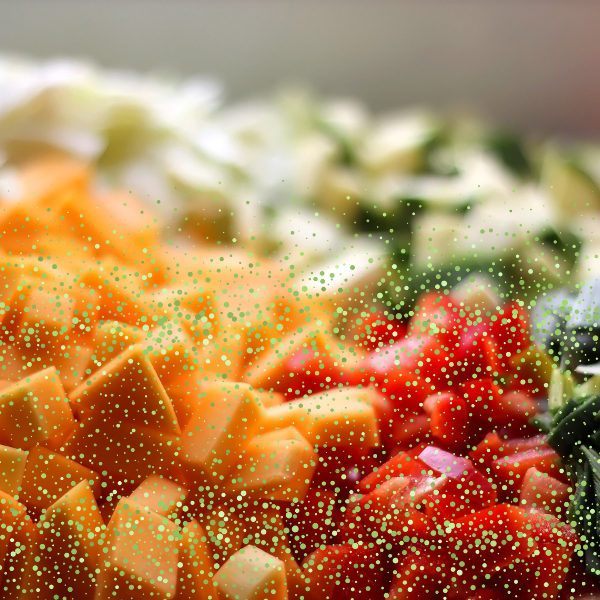
Mix into chop, sprinkle on lightly moistened pellets, or blend into a small portion of soft food so your bird consumes the full serving. Start small and increase gradually to avoid waste and improve acceptance.
When to See an Avian Vet Instead of Adding Greens
If you see weight loss, persistent lethargy, ongoing diarrhea, or feather loss not consistent with molting, schedule an avian veterinary exam. Nutrition support helps, but these signs can indicate illness that needs diagnosis.
Quality Standards
- Made in the USA
- Manufactured in an FDA-registered facility
- No artificial dyes
- No added sugars or sweeteners
Bottom Line
Bird Greens help add leafy green nutrition to a parrot’s diet in a simple, consistent way. They’re designed to support feather quality, molting demands, and everyday wellness—especially for birds that don’t reliably eat vegetables.