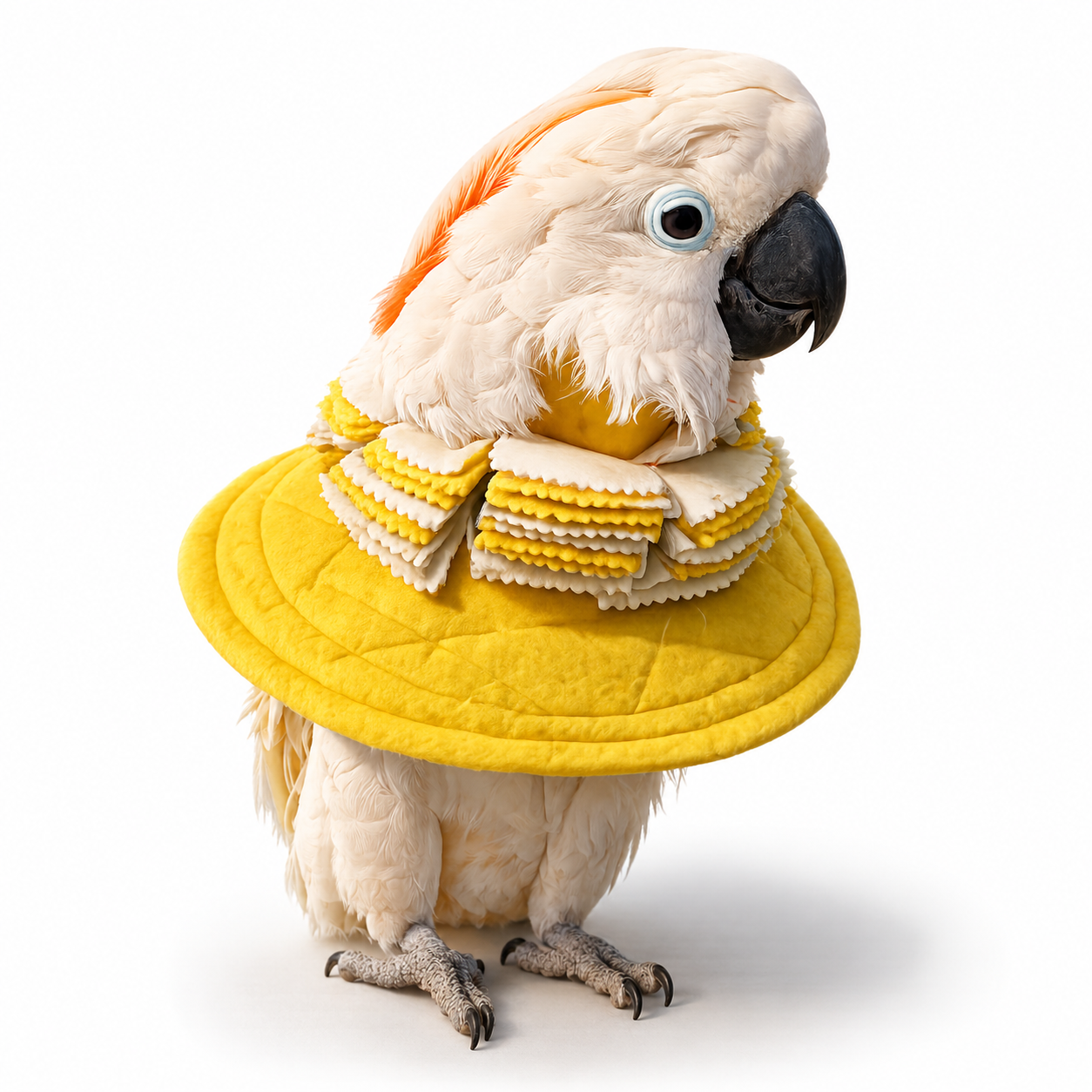
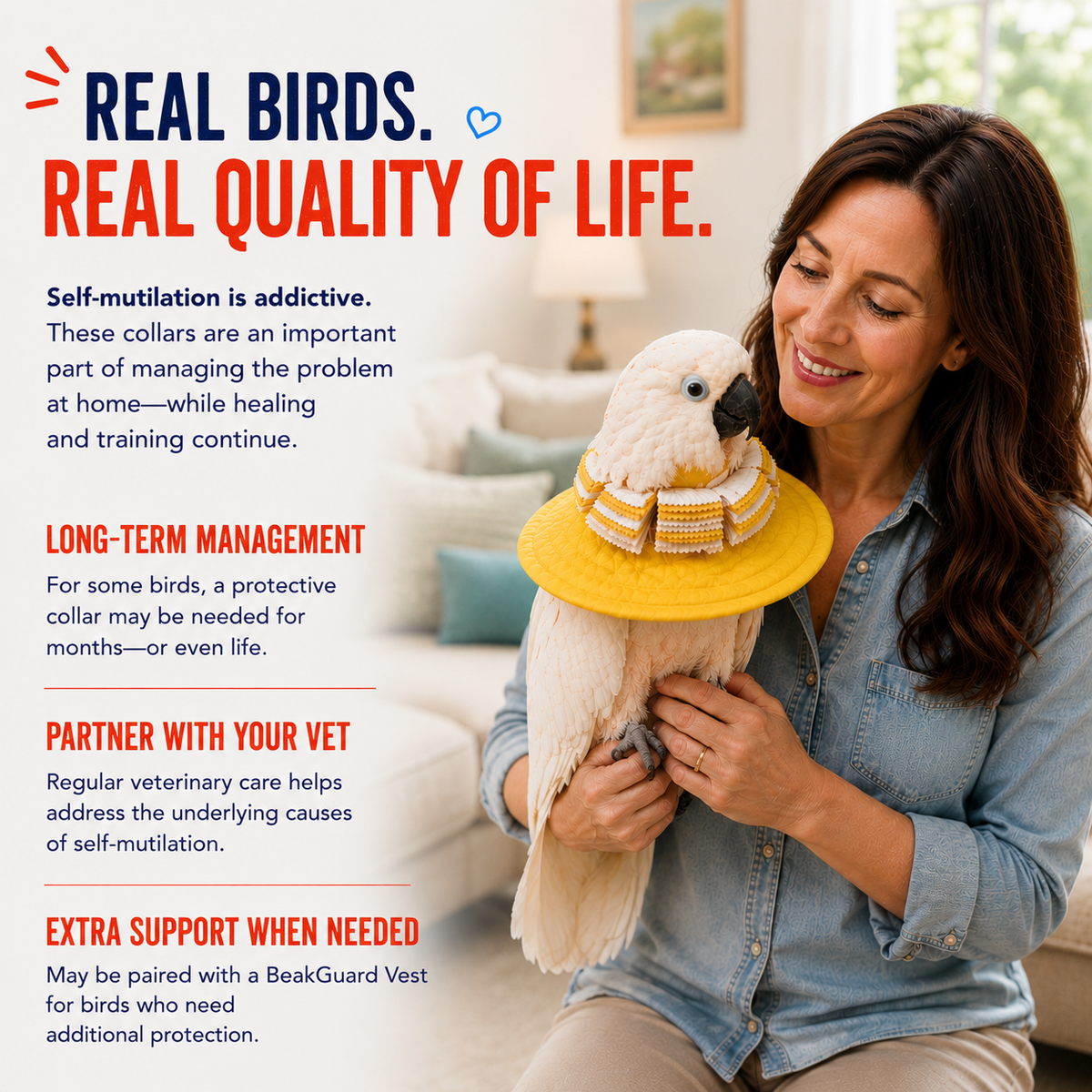
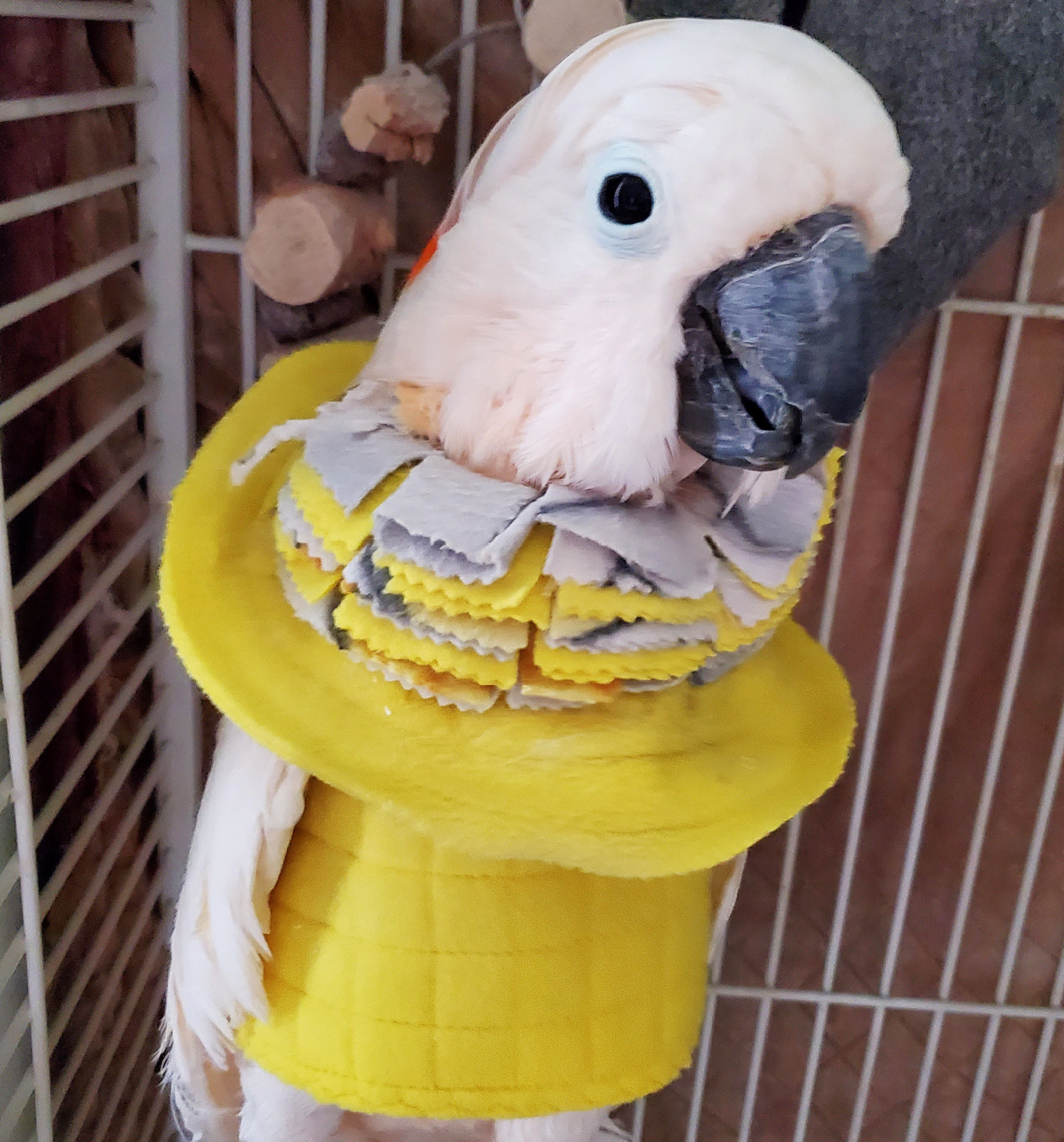
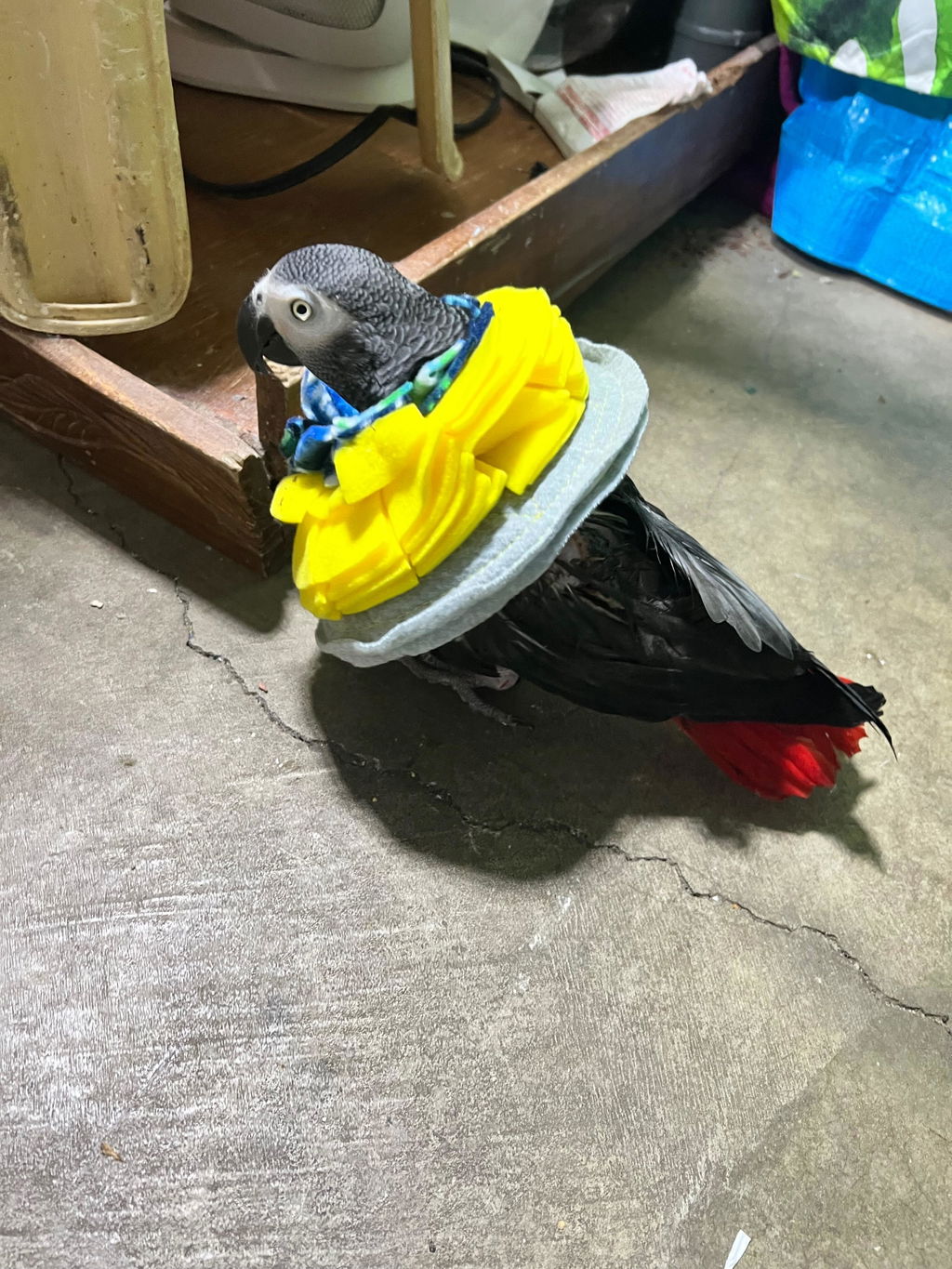
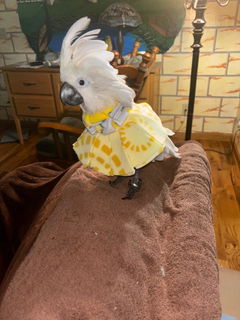
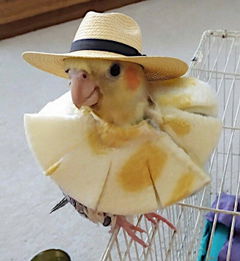
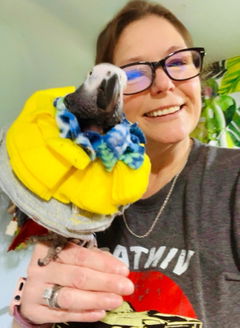
cockatoo wearing a fringy cone bird collar for severe feather plucking and self-mutilation
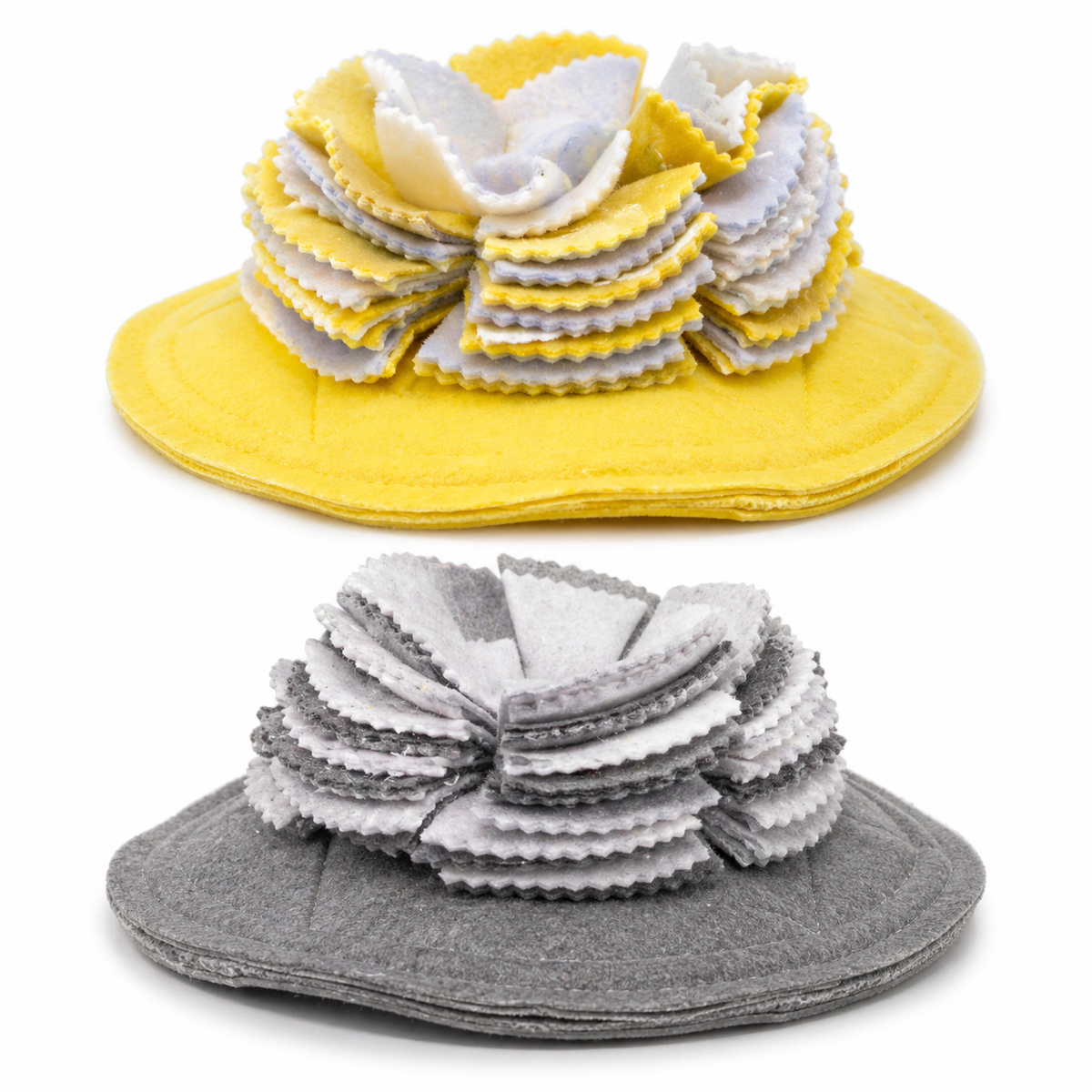
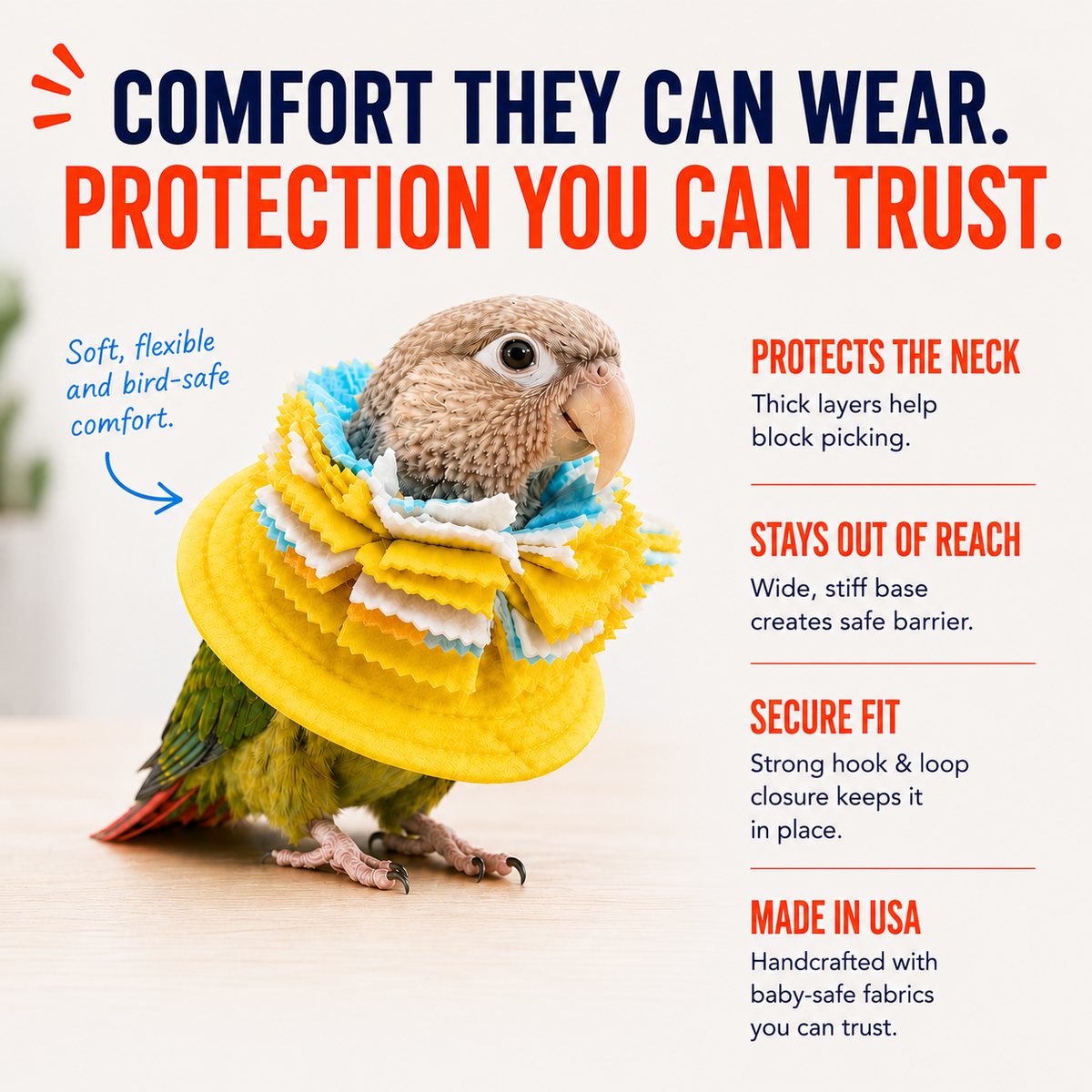
Two thick fringy cone bird collars for severe plucking showing how thick the collars in and two color offerings
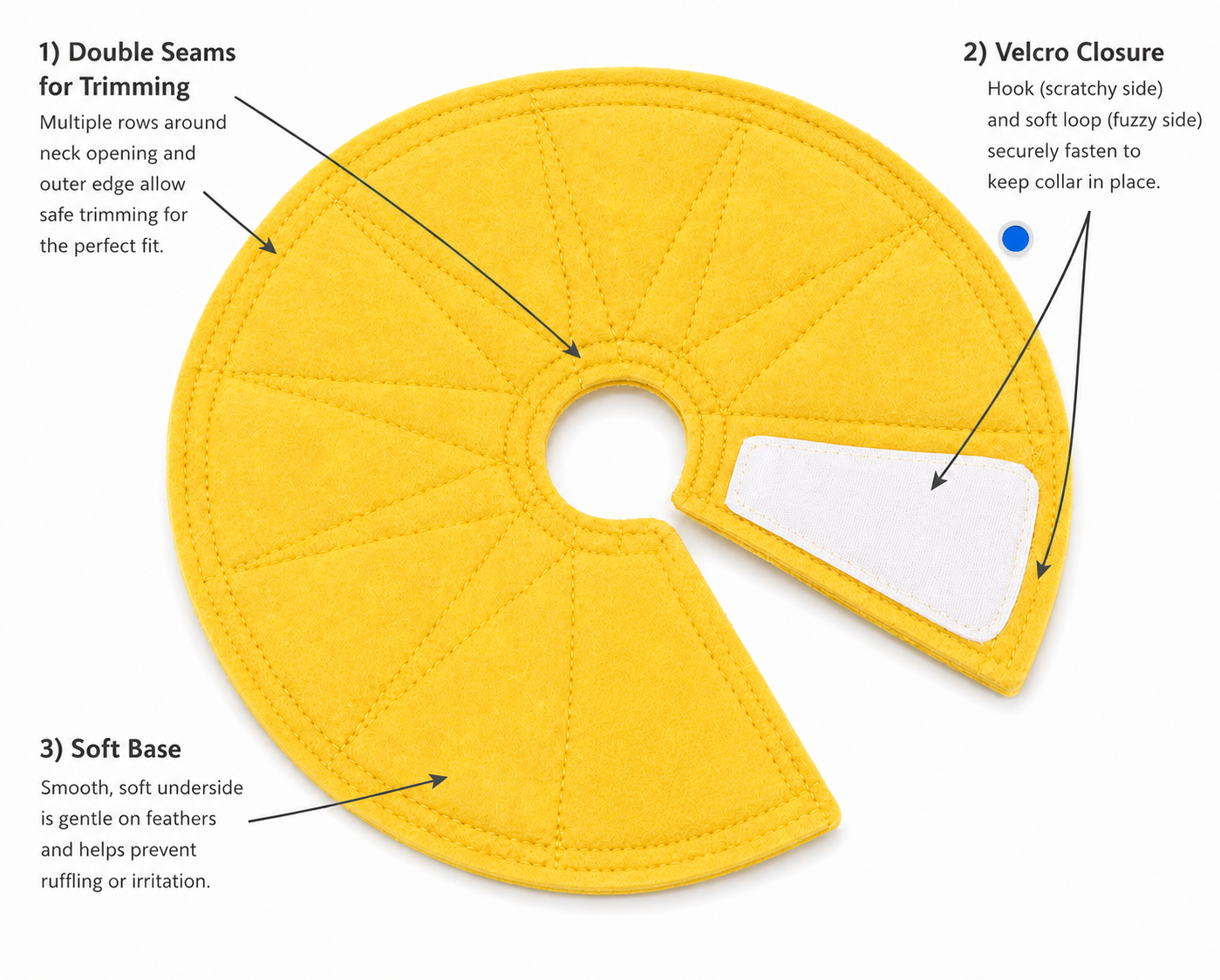
back of cone style bird collars showing trim to fit features and velcro closure
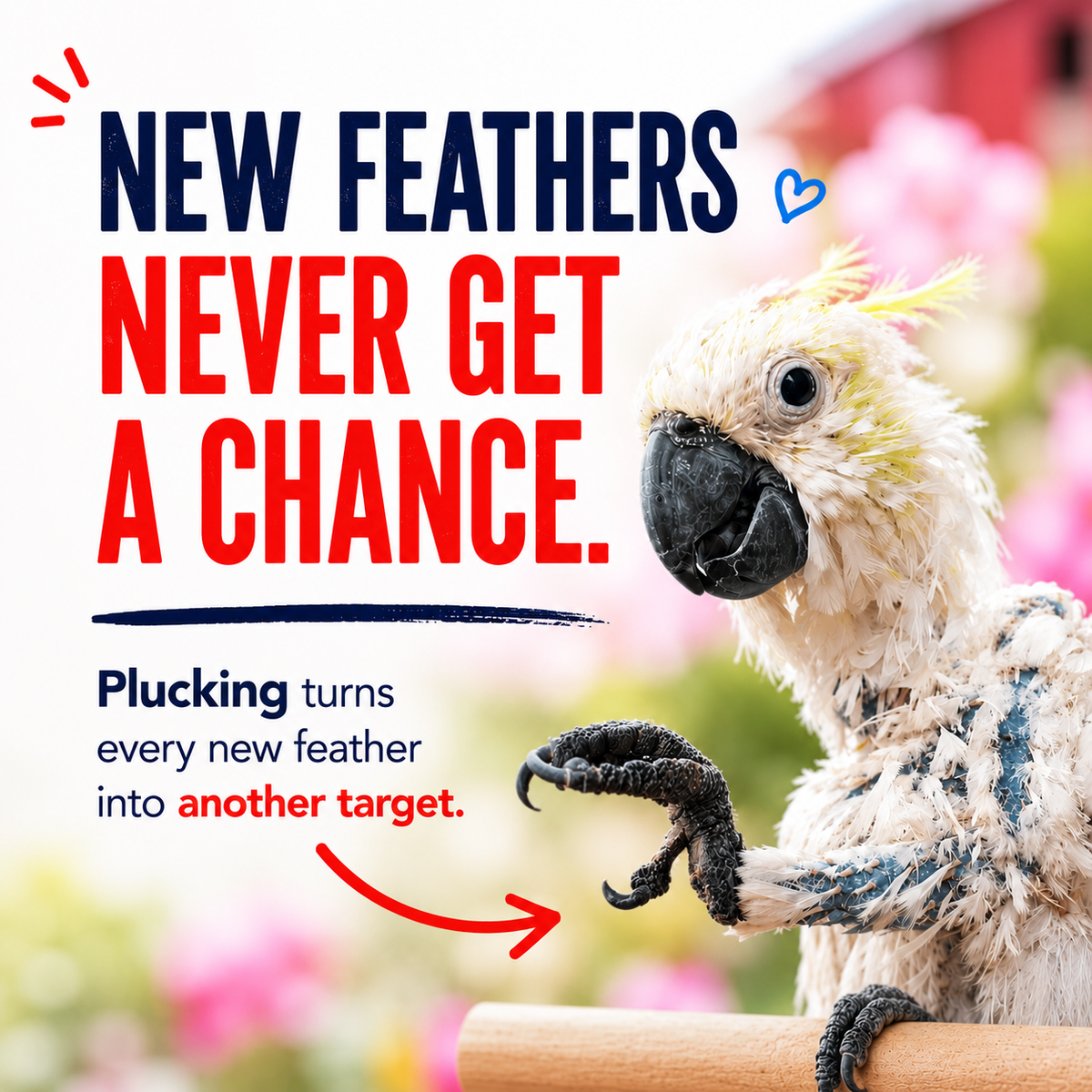
Plucked parrot with text about the addictive nature of feather plucking
Fringy Cone Bird Collar for Feather Plucking
Promotional graphic with a parrot wearing a bandage and text about a 15% discount offer.
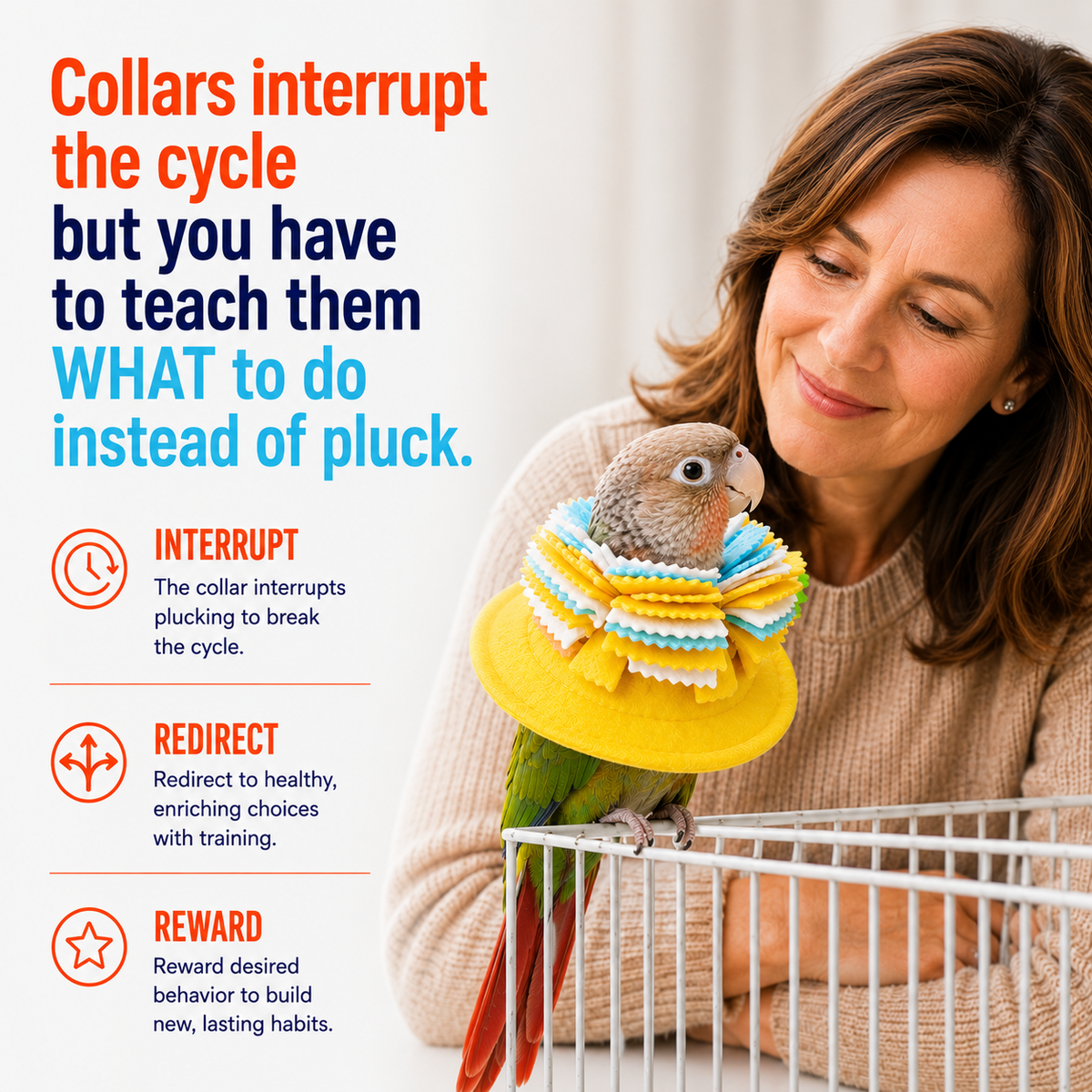
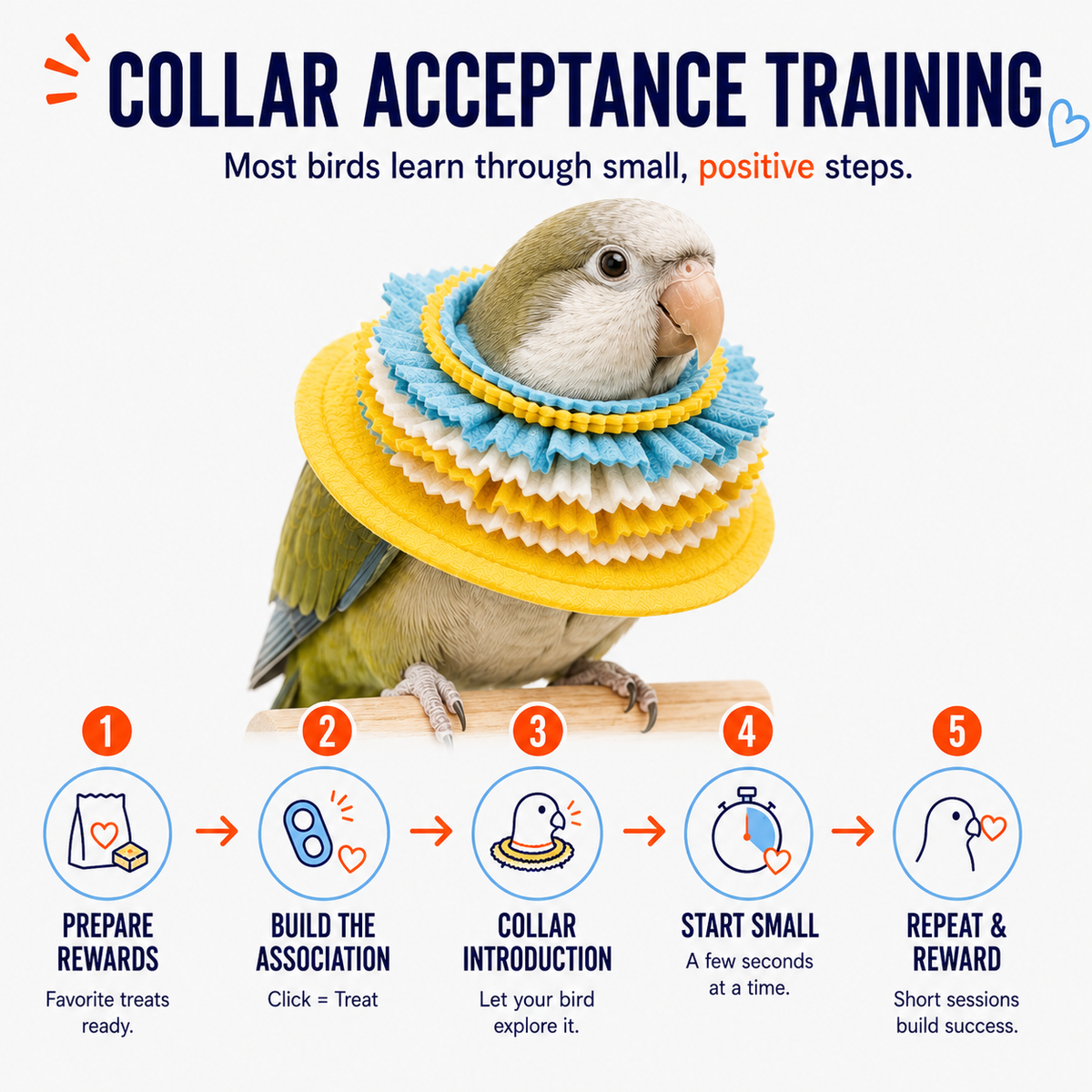
Bird wearing a colorful collar with training steps for acceptance on a white background

UnRuffledRx

Fringy Cone Bird Collar for Feather Plucking

Sale price$ 57.98

Benefits

  • Thick, soft layers around the neck limit bending and help prevent access to the chest, shoulders, and underwings.
  • Semi-stiff base makes it harder for birds to lift the collar and reach vulnerable skin.
  • Soft fleece construction provides protection without the hard edges of plastic cones.

Best For

Active, otherwise healthy parrots with severe feather plucking, bald areas, or skin chewing that need a stronger protective barrier

Size:Small
Color:Limited Edition
Quantity:

Fringy Cone Collar Size Chart

What Size Fringy Cone Collar Does My Bird Need?

Start with your bird's weight in grams. The Fringy Cone Collar comes in four sizes, with layered fleece protection designed to limit how far your bird can bend and reach. Use the chart below to find your size. Species examples are helpful, but always check your bird's actual weight.

Small

150–299 g
6" diameter
Example:
Senegal / Quaker

Medium

300–499 g
8" diameter
Example:
African Grey

Large

500–800 g
10" diameter
Example:
Umbrella Cockatoo

XL

800–1,100 g
12" diameter
Example:
Moluccan Cockatoo

Adjustable for a better fit: The Fringy Cone has reinforced seams around the neck opening and outer edge, allowing you to trim the collar for your bird's proportions. This helps you adjust the coverage while keeping the reinforced construction intact when trimmed according to the fitting instructions.

Not sure how much your bird weighs? Your avian veterinarian may already have a recent weight on file. You can also weigh your bird at home using a digital kitchen scale that measures in grams. A reliable scale often costs around $25 and is useful for keeping track of your bird's health, too.

Species examples are approximate. Birds of the same species can vary in weight and body proportions. The reinforced Fringy Cone is not recommended for birds under 150 grams or very small species such as Budgies, Lovebirds, Parrotlets, and Green-Cheek Conures.

Not Sure Which Size to Order? Ask Us!

We want your bird to have the protection it needs without unnecessary discomfort. We're happy to help you choose.

Call or text us at 719-650-0812. Tell us your bird's species and weight in grams. Pictures are especially helpful! A photo of your bird and the area you're trying to protect helps us recommend the most appropriate collar size and coverage.

Stronger Protection When Feather Plucking Turns Into Skin Chewing

When your parrot starts chewing its skin, a soft, flexible collar may no longer provide enough protection. Skin chewing can quickly lead to open wounds, bleeding, and infection. Protecting the area from further injury becomes a priority.

The UnRuffledRx Fringy Cone Bird Collar provides a more substantial barrier without relying on a hard plastic cone. Thick, soft layers around the neck limit how far your bird can bend to reach its chest, shoulders, and underwings. A semi-stiff base adds protection against skin chewing.

This combination makes the Fringy Cone more restrictive than our Velcro Cone, while retaining soft fleece against your bird's neck.

The important distinction: The Fringy Cone is intended for birds that need more than a gentle reminder to leave their feathers alone. Its design helps physically limit access to vulnerable skin, although protection depends on proper fit and your bird's ability to reach around the collar.

Will My Bird Be Able to Eat, Climb, and Play?

The Fringy Cone provides greater protection by limiting neck movement. That means your bird may need some adjustments to its normal routine, especially during the first few days.

Your bird should still be able to eat, drink, perch, and move around safely. You may need to reposition food dishes, lower perches, or simplify the cage setup while your bird adjusts.

Introduce the collar under close supervision. Watch how your bird moves, whether it can reach food and water, and whether the cone actually blocks access to the area you're protecting. If your bird cannot function safely, remove the collar and reassess the fit with your avian veterinarian.

What if my bird keeps trying to remove the collar?

Your bird is accustomed to reaching its feathers and skin, so it's natural for it to test the new barrier. Give your bird opportunities to engage in familiar activities, such as foraging, and reward calm behavior when it leaves the collar alone.

If your bird repeatedly tries to reach around the cone, check the fit and positioning. A protective collar needs to prevent access to the injured area, not simply stay around the neck.

Fringy Cone or Velcro Cone: Which Does My Bird Need?

The biggest difference is the level of protection. The Velcro Cone offers a softer, more flexible option for mild to moderate feather plucking. The Fringy Cone provides stronger restriction when a bird has progressed to chewing its skin or needs a more substantial barrier.

Feature Velcro Cone Fringy Cone
Protection Light to moderate restriction for chest and body feather plucking. Greater restriction to help protect vulnerable skin from chewing and further injury.
Construction Four layers of flexible fleece with a Velcro closure. Thick, soft layers around the neck limit bending, while a semi-stiff base provides added protection against dangerous skin chewing.
Movement Softer and more flexible. More structured to limit how far the bird can bend and reach.
If Your Bird Reaches Around It May not provide enough restriction for persistent skin chewing. Offers greater blocking, but fit and access to the injured area still need to be checked.
Available Sizes XS, Small, Medium, Large, XL Small, Medium, Large, XL

Our recommendation: If your bird is plucking feathers but leaving its skin intact, the Velcro Cone may provide adequate protection. If your bird is chewing its skin, repeatedly reaching around a softer collar, or needs firmer restriction, consider the Fringy Cone.

The Fringy Cone is not suitable for very small birds, including Budgies, Lovebirds, and Green-Cheek Conures. Its reinforced construction is too bulky for their size.

Can the Fringy Cone Help Damaged Skin Heal?

Protecting injured skin from further chewing is an important part of recovery. A properly fitted Fringy Cone can help prevent your bird from reopening damaged areas, giving the skin an opportunity to heal.

This is especially important for birds that repeatedly pick at the same wound. Even when the skin begins to close, another chewing episode can undo that progress and increase the risk of infection.

However, the collar does not treat an existing wound or address the cause of the behavior. Skin chewing may involve pain, inflammation, underlying illness, or behavioral factors that require further investigation.

Work with an avian veterinarian to assess skin injuries and identify medical causes. Once immediate concerns are addressed, appropriate enrichment, nutrition, sleep, and behavioral support can become part of a longer-term management plan.

Important: If your bird has broken skin, bleeding, or an open wound, seek prompt avian veterinary care. A protective collar can help prevent further damage, but injured skin may also require medical treatment.

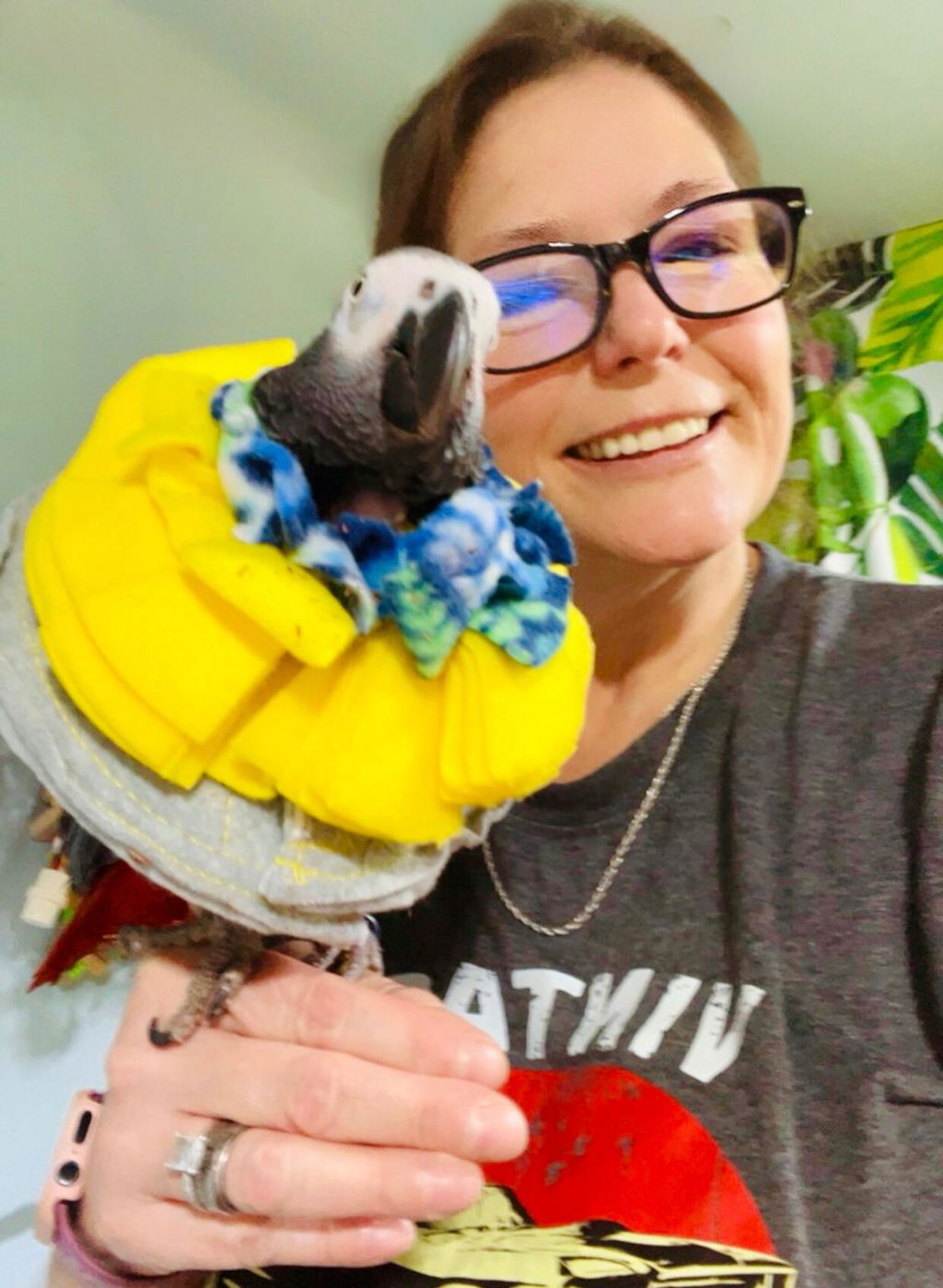
This is the 4 th collar that I have ordered for my African Grey. The collars are well made and durable. I change and wash his collars often because he soils them with his fresh food.. I want him to have clean collars at all times. He still has the very first one that I ordered, and it is still doing its job.

Maria

self-mutilating combo

Need chest and abdominal coverage too?

Fringy Cone + BeakGuard Vest

If your bird also chews feathers or skin on its chest or abdomen, consider the two-piece kit. It combines the Fringy Cone’s neck barrier with a BeakGuard vest that covers the chest and abdomen.

Got Questions?

Product Questions

The Fringy Cone can be worn full-time once your bird has adjusted to it. Introduce the collar gradually using treats, praise, and positive reinforcement. Supervise closely during the first few days to ensure your bird can eat, drink, perch, and rest comfortably.

Because this collar is often used to prevent serious skin chewing or self-injury, consistent protection is important. Check the fit and skin regularly, and follow your avian veterinarian's guidance on wear time, especially if your bird has an open wound.

We try to offer our collars in soothing colors that match their plumage. Our best sellers are yellow and grey shades. 

Yes, once your bird has adjusted to wearing it safely during the day. Before allowing overnight wear, make sure your bird can eat, drink, climb, and perch without losing its balance.

To reduce the risk of falls, lower the perches, provide stable sleeping spots, and keep food and water within easy reach.

Monitor your bird closely during the adjustment period. If your bird struggles to balance, rest, or move comfortably, reassess the fit before allowing overnight wear. For birds with active skin injuries, follow your avian veterinarian's guidance on overnight protection.

Your bird is used to reaching its feathers and skin, so naturally, it may try to remove anything that gets in the way. Some birds quickly figure out how to loosen the Velcro.

For extra hold, place a Moleskin Adhesive Comfort Patch over the Velcro closure. This makes it harder for your bird to pull the fastening apart.

Reward your bird when it leaves the collar alone, and provide foraging activities to redirect its attention. If your bird struggles constantly or appears distressed, check the fit rather than simply tightening the collar.

For more tips, download our free Bird Collar Guide.

When medical causes have been investigated, feather plucking may involve an established habit, stress, or unmet behavioral needs. The Fringy Cone helps protect vulnerable feathers and skin, but lasting improvement requires addressing the behavior and your bird's overall well-being.

Focus on building healthier habits:

  • Positive reinforcement: Reward calm behavior, independent play, and activities that keep your bird engaged. Use short, consistent training sessions.
  • Enrichment: Offer daily foraging, shreddable toys, and opportunities to explore and stay mentally active.
  • Nutrition: Provide a balanced diet that supports healthy skin, feather growth, and overall wellness.
  • Calming support: Maintain consistent sleep and daily routines. Discuss calming supplements with your avian veterinarian when appropriate.

Avoid scolding or punishing feather plucking. Instead, reinforce alternative behaviors and look for patterns that trigger picking.

The goal is twofold: Protect your bird from further damage while building the physical and behavioral wellness needed for long-term improvement.

Shipping

Enjoy complimentary shipping on US retail orders over $69. Otherwise, it's just a pocket-friendly $4.99 to any US address.

Orders placed by 10:30 AM - MST ship the same day, except Sunday. Standard shipment usually takes 4-7 days. Create an account to get tracking information.

Yes—we ship internationally. Most customers use a U.S.-based shipping broker to handle customs, duties, and delivery. Bird collars typically clear without issue, but supplements may be subject to your country’s regulations.

👉 See our full international shipping details here:https://birdsupplies.com/pages/shipping-policies

You can opt for speedy delivery through USPS (2-day) or UPS overnight for an additional fee.