
Who this is for:
If you want to feed your parrot better but feel stuck between pellets, seeds, chop, sprouts, fruit, and supplements, this guide gives you a practical way to build a healthier daily routine.
Who this is not for:
If your bird is losing weight, vomiting, passing undigested food, refusing food, sitting fluffed, weak, or acting suddenly different, this is not a diet-tweaking situation. Those signs need an avian or exotics veterinarian.
Quick answer — what should most parrots eat daily?
- Pellets: usually the foundation of the diet.
- Vegetables, greens, and sprouts: daily variety, moisture, fiber, and foraging value.
- Fruit: useful, but best kept modest because many pet birds are not as active as wild birds.
- Raw seeds and healthy fats: better used for enrichment, training, and targeted support — not as the whole diet.
In this guide:
- 1) What is the Avian Wellness Pyramid?
- 2) Why pellets still matter
- 3) Why vegetables, greens, and sprouts belong in the daily diet
- 4) Where fruit fits
- 5) Are seeds bad for parrots?
- 6) Modern avian superfoods worth using
- 7) How to build a simple daily feeding routine
- 8) Common diet mistakes that show up in the body
- 9) When to call an avian vet
- 10) FAQ
What is the Avian Wellness Pyramid?
The Avian Wellness Pyramid is a simple way to think about your bird’s daily diet. It does not replace species-specific veterinary guidance, but it gives you a practical structure for most companion parrots.
The goal is not to feed perfectly. The goal is to stop the two biggest problems seen in pet birds: seed-heavy diets and random feeding without a plan.
A healthy daily routine should support the bird’s body and behavior. That means nutrition, moisture, chewing, foraging, color, texture, and routine all matter.

Pellets build the foundation. Vegetables, greens, and sprouts add variety. Fruit stays moderate. Raw seeds and healthy fats are used with purpose.
Why pellets still matter
Pellets are not glamorous, but they solve a real problem: birds are selective eaters. Given a bowl of mixed food, many parrots pick out the fattiest or sweetest pieces first.
That selective eating creates gaps. A bird may look like it is eating plenty while still missing calcium, vitamin A precursors, amino acids, or balanced minerals.
Good pellets help reduce that problem because each bite is designed to be more balanced than a bowl of loose seeds.
What pellets do well
- Provide a consistent nutritional base
- Reduce selective feeding
- Support calcium, vitamin, mineral, and protein balance
- Make the rest of the diet easier to manage
What owners usually see when the base diet is weak
- Dull, brittle, or slow-growing feathers
- Dry, flaky skin or more scratching
- Weight gain from too many fatty foods
- Repeated cravings for sunflower seed, nuts, or sweet foods
- Poor molt quality
- In egg-laying females, possible calcium-related concerns
For many parrots, pellets around 50–60% of the daily diet is a practical target. Some avian veterinarians recommend higher pellet percentages, especially when correcting seed-heavy diets. The right amount depends on species, weight, health history, activity level, and what else the bird eats.
Better pellet choices
Look for reputable brands with a history in avian nutrition, such as Harrison’s, Roudybush, or ZuPreem Natural. Avoid using brightly colored, sugary, or highly processed foods as the main diet.
A seed-heavy bird can eat all day and still miss key nutrients. A balanced pellet base helps reduce nutritional gaps, then fresh foods can add variety, moisture, and enrichment.
Why vegetables, greens, and sprouts belong in the daily diet
Vegetables, greens, and sprouts are where the diet starts to look alive. They bring moisture, fiber, texture, color, and plant nutrients that pellets alone do not fully provide.
This part of the diet also gives birds something to do. Parrots are built to bite, tear, shred, taste, reject, investigate, and come back later. Fresh foods support nutrition and natural feeding behavior.
Strong daily choices
- Carrots
- Sweet potato
- Squash
- Red, yellow, and orange peppers
- Broccoli
- Leafy greens
- Green beans
- Snap peas
- Pumpkin
- Fresh herbs such as basil, cilantro, dill, and parsley
Why orange and dark green foods matter
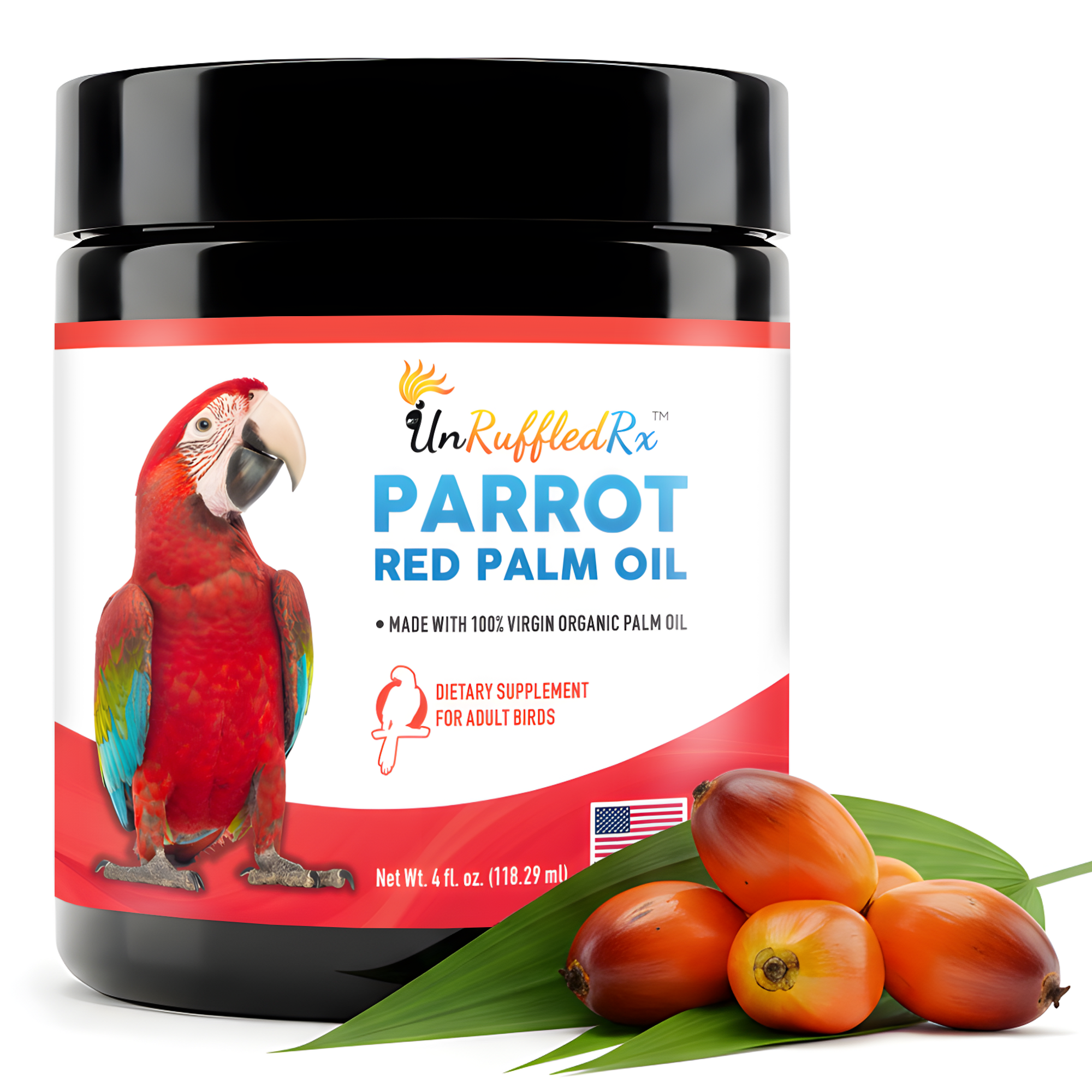
Orange vegetables and dark leafy greens are useful because they provide carotenoids and other plant compounds. Birds use some carotenoids as vitamin A precursors. Vitamin A status matters for skin, feathers, eyes, immune function, and the tissues lining the respiratory and digestive tracts. Red Palm Oil for Bird's plays a big role, when served in appropriate doses.
Where sprouts fit
Bird Sprouts deserve a serious place in the modern parrot diet. They are fresh, moist, interesting to eat, and useful for birds that need variety beyond dry pellets.
Good sprouting options may include mung beans, lentils, quinoa, millet, buckwheat, radish seed, alfalfa, and other bird-safe sprouting seeds. Sprouts must be prepared cleanly, rinsed well, and removed before they spoil.
Fresh food safety:
- Wash produce well.
- Use clean cutting boards and bowls.
- Do not let wet chop sit in the cage all day.
- Remove fresh food after a few hours, sooner in warm rooms.
- Discard anything that smells sour, slimy, or fermented.
Where fruit fits
Fruit is not bad. The problem is that many birds love fruit so much that owners overfeed it.
Fruit can provide moisture, color, antioxidants, and feeding enjoyment. But most companion parrots do not fly miles a day like wild birds. Too much fruit can crowd out vegetables and more balanced foods.
Better fruit choices
- Berries
- Papaya
- Kiwi
- Pomegranate
- Mango
- Apple without seeds
- Melon without rind
- Cranberries
For most parrots, fruit belongs in the smaller part of the pyramid. Think of it as variety, not the foundation of the diet.
If your bird eats the fruit and leaves the vegetables, reduce the fruit portion and offer vegetables first when your bird is most interested in food.
Are seeds bad for parrots?
Seeds are not poison. A seed-only diet is the problem.
This distinction matters. Older bird nutrition advice often treated seeds as the enemy. Modern feeding is more practical: raw seeds, nuts, and healthy fats can be useful when they are offered in small amounts and used with purpose.
What goes wrong with seed-heavy diets
- Too much fat
- Not enough calcium
- Poor calcium-to-phosphorus balance
- Low vitamin A support
- Selective eating
- Obesity risk in less active birds
- Higher risk of nutritional imbalance over time
When seeds make sense
- Training rewards
- Foraging toys
- Sprouting
- Bird chop toppers
- Healthy fat support
- Encouraging a picky bird to investigate better foods
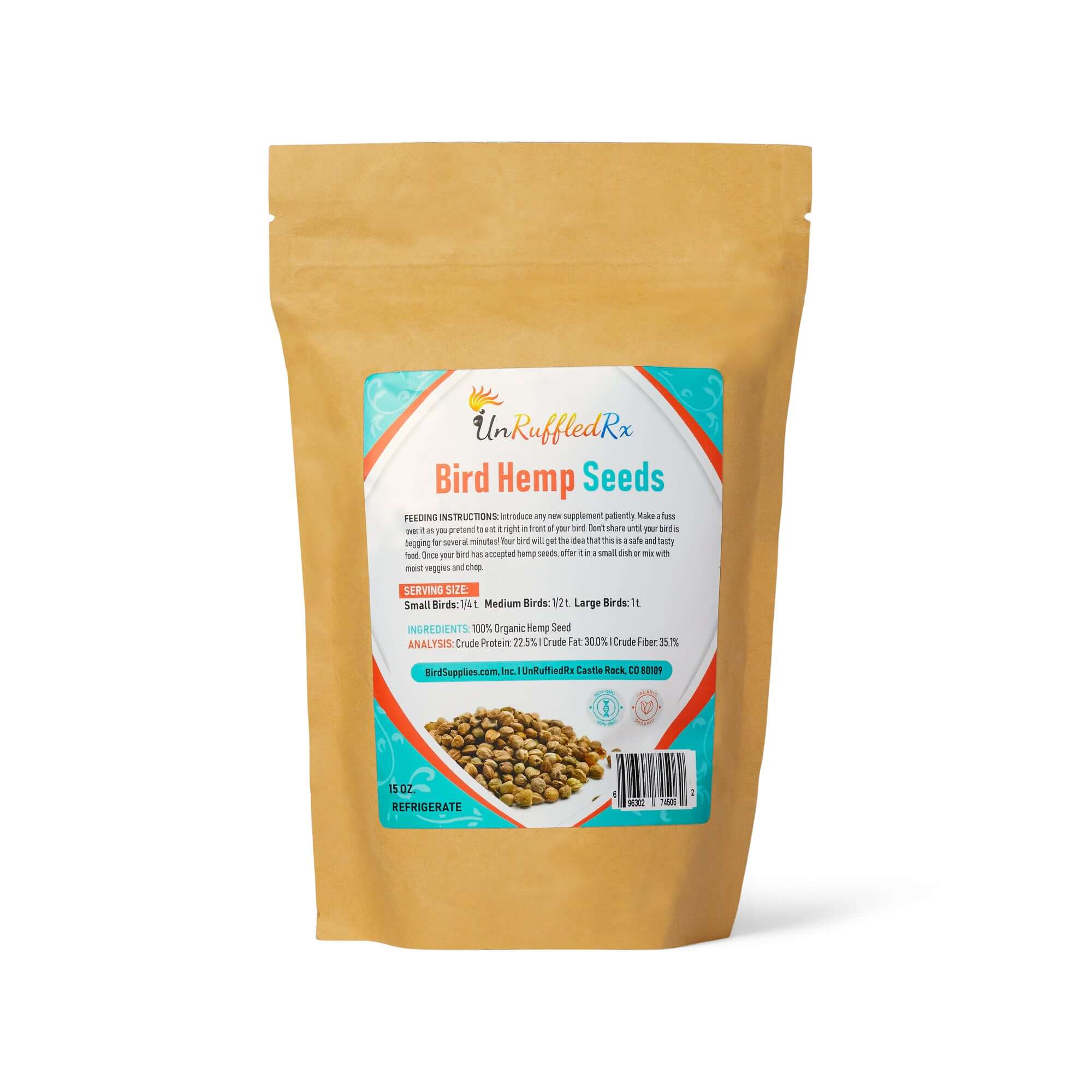
Raw seeds such as hemp, chia, flax, pumpkin seed, and small amounts of other bird-safe seeds can support enrichment and healthy fat intake. The key is portion control.
A bird that gets a full bowl of seeds every day often learns to hold out for the highest-fat pieces. A bird that gets small amounts of raw seeds during foraging or training has to work, search, and think.
Modern avian superfoods worth using
“Superfood” should not mean magic. It should mean a nutrient-dense food that earns its place in the routine.
These foods and daily care products fit well into a modern bird wellness plan because they support real biological needs: healthy fats, carotenoids, plant nutrients, fiber, calm routines, and dietary variety.
| Food or support | Why it belongs | How to use it |
|---|---|---|
| OmegaGlow | Chia, flax, and hemp provide omega-rich healthy fats that support skin, feathers, and molt quality. | Sprinkle a small amount over chop or fresh food. |
| Red Palm Oil | Naturally rich in carotenoids and healthy fats that support feather color and skin condition. | Mix into warm chop a few times weekly. |
| Bird Greens | Concentrated greens help add plant variety for birds that pick around fresh vegetables. | Use as a chop topper or mix into soft foods. |
| Serenity | Herbal daily support for birds that benefit from a calmer routine and gentle plant variety. | Serve as directed as part of a calm daily rhythm. |
| Sprouting seeds | Fresh, living foods that support variety, moisture, and natural feeding behavior. | Prepare cleanly and offer fresh. |
| FeatherUp! | Daily vitamin and mineral support for birds needing help with feather growth, molting, and nutritional gaps. | Use according to label directions and avoid stacking calcium-containing products on the same day unless advised. |
Pellets cover the foundation. Fresh foods add variety. Daily care toppers help support the parts of wellness owners can see: feathers, skin, mood, molt quality, and eating behavior.
How to build a simple daily feeding routine
A good feeding routine should be easy enough to repeat. If the plan is too complicated, it usually fails by week two.
Morning: fresh food when interest is high
- Offer chop, greens, vegetables, or sprouts.
- Add a small amount of OmegaGlow, Bird Greens, or another appropriate topper.
- Use a shallow bowl, skewer, or foraging tray to make the food interesting.
- Remove wet food before it spoils.
Daytime: pellets and foraging
- Keep pellets available as the main steady food.
- Place small amounts of preferred foods in foraging toys.
- Use raw seeds sparingly for training or search-and-find activities.
- Do not keep refilling the bowl just because your bird picked out favorite pieces.
Evening: calm routine and clean water
- Refresh water.
- Remove old fresh foods.
- Offer a calm environment before bedtime.
- Keep sleep consistent, especially for hormonal or anxious birds.
Birds learn through repetition. A routine helps the bird predict what happens next. That lowers food battles and gives you a better way to notice changes in appetite, mood, droppings, and energy.
Common diet mistakes that show up in the body
Diet problems rarely stay invisible. They show up in the body, feathers, droppings, weight, and behavior.
| What you see | What may be happening | What to do |
|---|---|---|
| Bird eats mostly sunflower seed | High fat intake with likely nutrient gaps | Begin a slow pellet and fresh food transition. Learn more here. |
| Dull feathers or rough molt | Possible missing nutrients, poor fats, stress, or illness | Review diet, molt support, bathing, and vet history |
| Bird only eats fruit from chop | Sweet foods are crowding out vegetables | Reduce fruit and offer vegetables first |
| Watery droppings after produce | May be extra urine from moist foods | Check whether feces are still formed and bird acts normal |
| Weight gain | Too many calorie-dense foods or not enough activity | Weigh in grams, reduce fatty treats, increase foraging |
| Egg-laying female on weak diet | Higher calcium and mineral demand | Call an avian vet and review calcium, D3, lighting, and diet |
When to call an avian vet
Food changes help when the problem is routine, preference, or gradual diet improvement. They do not replace veterinary care when the bird is showing illness signs.
Vet-needed signs:
- Weight loss
- Vomiting
- Undigested food in droppings
- Not eating or eating much less
- Fluffed posture that persists
- Weakness or sitting low
- Breathing changes
- Repeated egg laying
- Black, red, yellow, or very abnormal droppings
- Sudden behavior change with appetite change
Plain rule: diet improvement is for stable birds. A bird that looks sick needs medical care before nutrition troubleshooting.
FAQ: quick answers bird owners search for
What should parrots eat every day?
Most parrots do best with a balanced pellet foundation, daily vegetables and greens, some sprouts or fresh foods, limited fruit, and small amounts of raw seeds or healthy fats for enrichment.
Are pellets enough for parrots?
Pellets are a strong foundation, but they should not be the only source of enrichment. Fresh vegetables, greens, sprouts, and foraging foods add moisture, texture, and natural feeding behavior.
Are seeds bad for birds?
Seeds are not bad in small amounts. Seed-only diets are the problem because they are often too fatty and low in important nutrients such as calcium and vitamin A support.
Can parrots eat fruit every day?
Some fruit can be offered, but it should stay moderate. If your bird eats fruit and ignores vegetables, reduce fruit and offer vegetables first.
What foods help feather health?
Feathers need protein, vitamins, minerals, healthy fats, and overall health. Omega-rich seeds, carotenoid-rich foods, greens, sprouts, and balanced vitamin support may help maintain better feather condition.
What is bird chop?
Bird chop is a finely chopped mix of vegetables, greens, sprouts, legumes, and other bird-safe foods. The small pieces make it harder for picky birds to eat only one favorite item.
Are sprouts safe for parrots?
Sprouts can be excellent fresh foods when prepared cleanly. Rinse well, use clean tools, refrigerate properly, and discard anything that smells off or feels slimy.
How long can fresh food stay in the cage?
Remove wet chop, sprouts, and soft foods after a few hours. In warm rooms, remove them sooner.
What foods should parrots never eat?
Avoid avocado, chocolate, caffeine, alcohol, salty foods, fatty fried foods, and unsafe human foods. When unsure, do not offer it until you verify safety.
Related Daily Care Products
Shop Daily Care Bird Wellness Products
- OmegaGlow: omega-rich chia, flax, and hemp for skin and feather support.
- Red Palm Oil: carotenoid-rich healthy fat support for feather color and skin condition.
- Bird Greens: concentrated greens for picky birds and chop routines.
- Serenity: gentle herbal support for calmer daily routines.
- FeatherUp: vitamin and mineral support for feather growth and nutrition gaps.
References
VCA Animal Hospitals. Amazon Parrots: Feeding.
Merck Veterinary Manual. Nutritional Disorders of Pet Birds.
Merck Veterinary Manual. Nutrition in Psittacines.
Association of Avian Veterinarians. Enrichment Tips: Foraging and Nutritional Enrichment.
Meet Diane Burroughs, LCSW — licensed psychotherapist, ABA-trained behavior specialist, and founder of UnRuffledRx. With 30+ years of hands-on bird experience, Diane helps bird owners connect observable behavior, body condition, nutrition, and practical daily care.
SHARING IS CARING! PLEASE SHARE ON YOUR FAVORITE SOCIAL MEDIA NOW!